
William Matchett: Patten report paved way for current criminal justice attacks on RUC
Chris Patten, like Tony Blair, had a golden opportunity to do something special in Northern Ireland and blew it.
The Iraq Inquiry showed the lessons of the Troubles had not made it to London, never mind Basra.


Blair was to blame. His account of how to end conflict is on a par with how to start one.
This is what happens when politicians sideline practitioners. Moral values are eroded. What worked before gets lost. More people suffer.
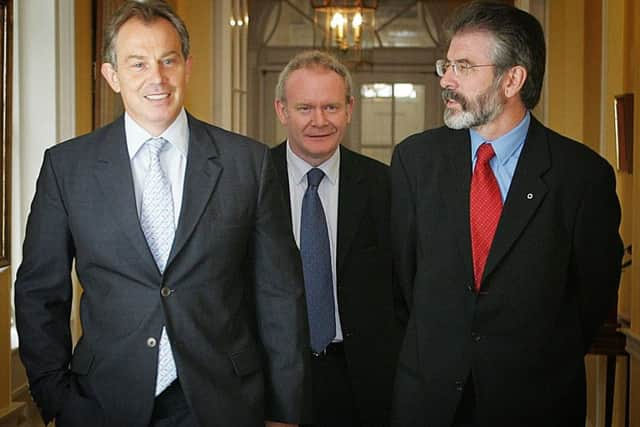
The Patten report of 1999 is cut from the same political cloth.
Chris was Tony’s man. The cynic in me says disposing with the RUC was pre-ordained. One of the dirty deals with the IRA. Who, again got off light.
A paltry study of the Provo threat in Patten is a major failing. As a result, its understanding of the RUC was limited.
An example is the “force within a force” description of Special Branch. This originated with John Stalker, a Manchester police chief.
Her Majesty’s Inspectorate of Constabulary repudiated it in 1987. HMIC has the greater gravitas.
Patten used Stalker’s term without the counter-view. This was misleading.
There were few recommendations in Patten not already in the RUC’s fundamental review. These made up many of the good ideas that benefited the PSNI, which is a superb service. But it did not take a name change – a political decision – to get there.
Police reform did not need a political appointee, the ‘peace process’ did. Nearly all in the peacemakers club wanted rid of the RUC. Once gone, its critics got an easy path to publish pretty much whatever they wanted with no real fear of being challenged.
Doing away with the RUC was tacit acknowledgement that it did something wrong.
This angered the majority of the population who supported the police and pleased a minority who did not.
The RUC was not perfect. No big organisation is. It had some bad cops and made mistakes. Overall, it was even-handed. If anything, it was harder on loyalists.
A police force in a conflict situation can keep communities apart but cannot bring them together. And while it is best to have it representative of the population, this does not mean it cannot be impartial and effective.
For the environment it policed, the RUC was world class. Other nations suffering conflict would give anything to have its equivalent. To fully articulate this in Patten would have undermined its main recommendation.
I am sure that no other democracy, faced with the same situation, and I have Spain in mind here, would have stooped so low.
How the Patten report treated the RUC was the green light for a new criminal justice arrangement to attack it.
I doubt the commission realised how its report set up the police to become the past’s punch bag. But an unrepentant IRA did.
I am confident Arlene Foster, an RUC officer’s daughter, is alive to this.
The Patten report impeded reconciliation, misrepresented some important practices and suppressed the security lessons.
Its view of what it takes to police a divided society during a violent insurgency is, to say the least, underwhelming.
It should have been so much better. Northern Ireland deserved more.
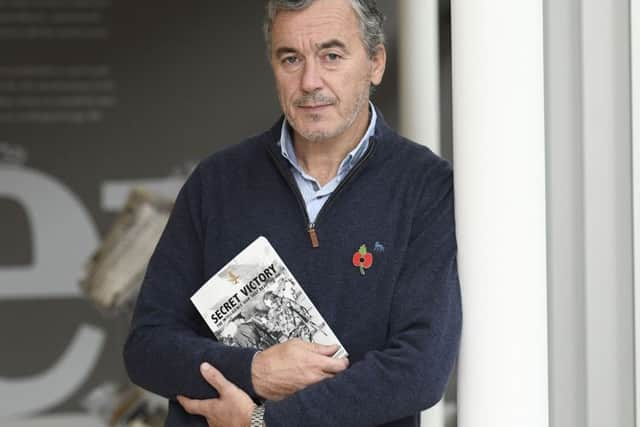
• William Matchett is author of ‘Secret Victory: The Intelligence War that Beat the IRA’. He is a senior researcher at the Edward M Kennedy Institute for conflict prevention, Maynooth University, Ireland.