
RSPB: The first signs of spring - blooms, bees, and birds
After a long, wet and windy winter, nature is beginning to stir and the subtle hints of spring can be found, if you know where to look.
The first hint is the little bits of colour, popping up amongst the browns and greys that have dominated the outdoors, from the yellow of daffodils pushing up through the soil to the soft white snowdrops carpeting the ground. These early blooms are more than just a bright spot, they act as a vital source of sustenance for the bees that will be beginning to stir in the coming weeks.

We should start to see bumblebees tempted out of hibernation on a sunny day, so listen out for their signature buzzing. As the temperatures hopefully start to rise and days get longer, large queen bees will take advantage of nectar from early flowers like crocuses. They also start looking for somewhere to start a hive to raise the next generation.
Growing wildlife-friendly flowers is a great way to give yourself, and nature, a boost whether you’re working with a garden space or a window box. If you’ve got the room, you could plant a patch in the garden to do wonders for your local wildlife.
Fast-growing annual plants like poppies, corn marigold and cornflowers grow from seed to a mass of flowers in a few months, providing a buffet for bees and butterflies, food for birds, and cover for other creatures. So why not have a go? Read on to find out how.
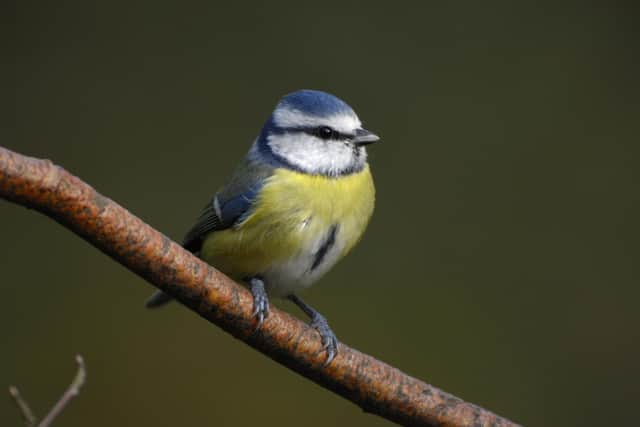
For me, I’ve really noticed the silence of winter being broken by the increasing chorus of birdsong. My garden has been inundated with robins staking their claim on territories, along with the melodic trill of the blue tit.
As we head into March, listen out for the chiffchaff’s onomatopoeic song from the treetops and the blackcap’s scratchy trills from the scrub. A real springtime symphony.
If you’re looking for more springtime activities to do in the garden or tips for how to help wildlife through every season, then make sure to visit https://www.rspb.org.uk/helping-nature/ where you’ll find lots of tips, advice and suggestions.