
Three army veterans facing charges over Belfast shootings are medically unfit for trial, court is told
Three British Army veterans charged over shootings in Belfast more than 50 years ago have been medically assessed as unfit to be returned for trial, a court heard today.
Lawyers for a fourth ex-serviceman facing prosecution also confirmed they are set to challenge the admissibility of historic statements which form part of the case against him.
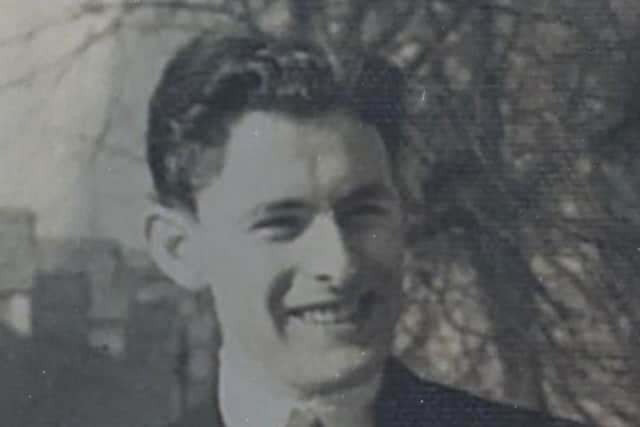

One of the accused, referred to as Soldier F, has been charged with the murder of Patrick McVeigh at the height of the Troubles. He is further charged with the attempted murder of four other people during the same incident on May 13, 1972.
Three of his former military colleagues, identified only as Soldiers B, C and D, are also jointly charged with attempting to murder another two men in a separate incident a day earlier.
The defendants were part of an undercover Army unit known as the Military Reaction Force which operated in Belfast at the time. Members of the MRF used unmarked cars to patrol parts of the city before the outfit was disbanded the following year.
Mr McVeigh, a father of six, was shot at the junction of Finaghy Road North and Riverdale Park South. He had reportedly stopped to speak to those manning a civilian checkpoint when the gunfire began. Four other men were shot and wounded in the incident.
The previous day’s shooting occurred at Slievegallion Drive in west Belfast.
Decisions were taken to charge the former soldiers after the Public Prosecution Service examined evidence gathered in a police investigation.
None of the defendants attended Belfast Magistrates’ Court today as further details of legal attempts to halt the cases against them were disclosed.
District Judge Steven Keown was informed that a medical report prepared on behalf of Soldiers C, D and F has assessed them as unfit to take part in a preliminary enquiry to have them returned for trial.
Counsel representing the Prosecution indicated that it will now seek its own report on the three defendant’s capacity to answer statutory questions as part of the process.
Soldier B’s legal representatives have not made an application on medical grounds at this stage.
His barrister, Mark Mulholland KC, confirmed: “From my client’s point of view he is fit… but there are clear admissibility issues.”
That challenge is understood to relate to other military statements which form part of the prosecution case.
Mr Keown suggested that a voluntary bill of indictment could be used to bring the charges to the Crown Court without first going through the preliminary magistrates’ court process.
Further challenges could then be mounted by the defence at that stage.
Adjourning the cases for six weeks, the judge said: “If, for argument's sake, the prosecution accepts any of these defendants are not fit, then we are wasting a certain amount of time in this court.” ends