
Bus / rail strikes in Northern Ireland are having a 'disproportionate effect on the old, the sick and the the low-paid'
The rolling shutdowns of Northern Ireland’s public transport network are having a disproportionate effect on the old and the sick.
That is the view of Dr Wesley Johnston, a writer who is an expert on transport policy and who runs the Northern Ireland Roads website (www.wesleyjohnston.com/roads/).
The 24 hour strike today ends at midnight; it is the latest of four such days.
“I went into the city centre last Friday [which had also been a strike day] and a shopkeeper I was speaking to said that trade was well down,” said Dr Johnston.
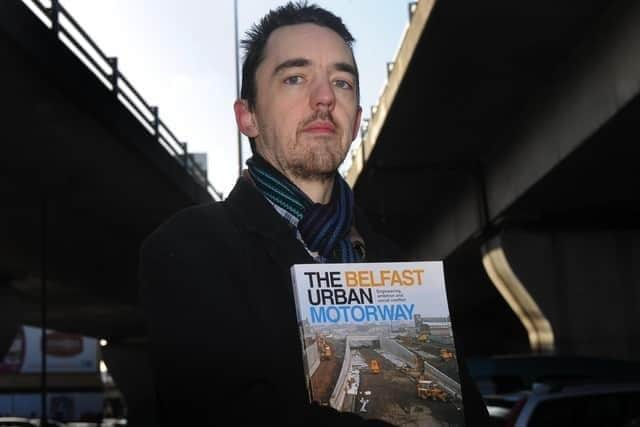

“What was happening I think is that people were just avoiding travelling.
"There was an elderly gentleman I spoke to who described himself as housebound during the strike. He relies on the bus and isn't able to drive.
"He sometimes gets taxis but isn't able to get one whenever there's a strike because everybody is trying to get taxis.
"It causes a major problem for people who are reliant on public transport – the elderly, the infirm, and people on lower incomes. It would primarily affect all those demographics.”
Meanwhile on Friday, a spokesman for Fonacab, the major Belfast-based taxi company, said that during the various strike days in December, their drivers did not pick up that much extra work for the simple reason that taxi capacity is already stretched to the limit around Christmastime.
Right now inflation in the UK is sitting at 3.9%. It had peaked this time last year, when the CPI rate stood at a whopping 10.7%.
It fell to around 7% by the middle of the year, but at 3.9% the current rate is still far above the government target of 2%.