
Road campaigners back movement to stop people posting crash info online: Tragedies passed around social media before families know, say victims
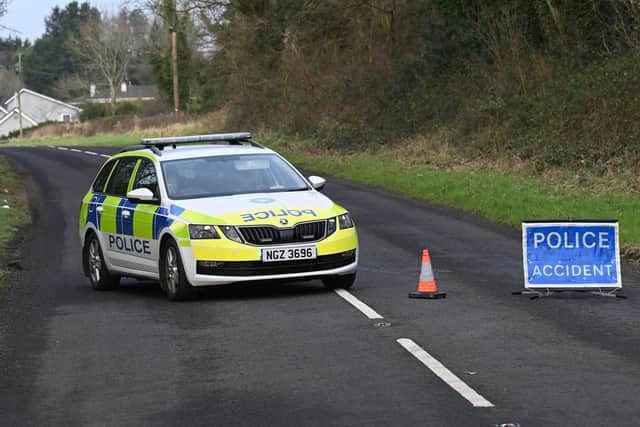
Road safety campaigners in Northern Ireland have backed a movement to stop people posting car crash scenes online.
Photos and comments about fatal accidents are shared around social media before families can be told of the tragedies that have fallen on their loved ones, say campaigners, who want members of the public not to post about road accidents while the emergency services are still on the scene.

The movement originates with a new group made up of bereaved families, Road Victim Support Northern Ireland-Donegal, but has won widespread support among more long-established bodies.
That includes Road Safety Northern Ireland, whose Davy Jackson told the News Letter people who post photos and video of crash scenes often do so with good intentions only to unwittingly cause trauma to families of victims.
“Quite often, it’s people who want to warn drivers to stay away from a particular road due to an accident; people think they’re doing good,” he said.
"But the photos they post have visible car registration numbers – can you imagine what it would be like to recognise the vehicle belonging to your daughter or your son in that state, stumbling across it on social media?”
Spreading that sort of information is best left to emergency services, he suggested, who will contact families through proper channels.
"Phones come out at the drop of a hat these days,” he added.
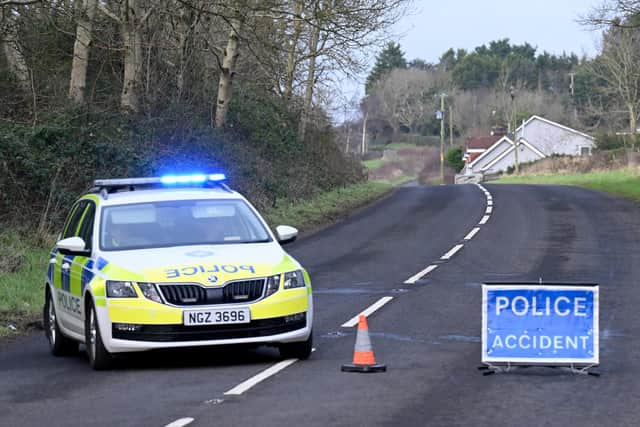
"We saw it last year in the case of a fatal collision. The police and the Fire Service were still on the scene working to free victims, but people on a nearby footbridge were taking photos and putting them online.”
The new campaign, called “It's Not Your Story To Tell”, wants people to stop and think about the hurt their posts could do to families grieving after a road death.
One of the main people behind it, Marie O'Brien, found out how much additional pain social media can cause in the aftermath of her daughter Caoimhe’s death in a crash in 2016.
Speaking on BBC Radio, she stated 23-year-old Caoimhe’s name started circulating online before she was able to tell her son about the tragedy – despite the police agreeing not to release her name until the family could be fully informed.
"It is family grief, it should be the family who tell their story," she said, adding that she ended up “fighting the internet” to ensure her son heard the news from her instead of getting it from a notification on his phone.
“There was no respect for us as a family, no respect or dignity thought about,” she said.
The new campaign has a simple message, Mrs O'Brien said: “Think about the family behind the tragedy, think about the mother making that call, about the brother who deserves to hear it from someone who loves him, not from a notification.”
Debbie Mullan, whose 17-year-old son Keelan died in a car crash in March 2013, stated social media content can have a devastating impact on bereaved families.
“I think it is the mindset now that people do seem to pull out their phones all too often and hit record without any thought of what they post," she said.
“What they are not thinking about is the trauma, the re-traumatisation they are causing for families.”