
European Heritage Open Days: 24 locations to visit free of charge in Northern Ireland on September 9 and 10
This weekend offers people the chance of a free day out at more than 200 of Northern Ireland’s historic buildings and monuments, landmarks and secret gardens as part of European Heritage Open Days.
Offering many activities for you to enjoy from guided tours, to walks and talks, community fun days, musical events and living history enactors.
While events are free of charge it’s best to book.
From the modest to the mighty, why not take a trip to the ancestral home of American President, Ulysses S Grant in Co Tyrone, or on a different scale why not check out Northern Ireland’s Secret Bunker in Portadown, a relic of the Cold War.

Naomi Waite, Director of Marketing at Tourism Northern Ireland, says: “European Heritage Open Days are a fantastic opportunity to get a look at all the fabulous hidden gems on our doorstep.
"It’s particularly welcome this year with the cost of living crisis. The free entry allows families to make memories that last a lifetime without breaking the bank.”
For more information go to https://discovernorthernireland.com/things-to-do/arts-culture-and-heritage/european-heritage-open-days
The following are 24 of the 200+ locations which are opening their doors for free on Saturday and Sunday, September 9 and 10.
Galloon Monastic Site and Ancient Graveyard, Newtownbutler
The tour of this ancient site, part of the Lough Erne Pilgrim Way, highlights the historic significance of this important island settlement in Upper Lough Erne.
Campbell College, Belfast
Campbell College Belfast was founded in 1894 by Henry James Campbell and today is home to over 1200 pupils from aged 3 -18.
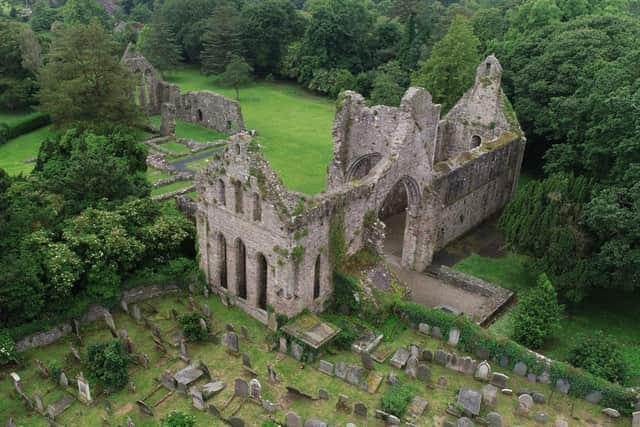
Grey Abbey, Greyabbey
Grey Abbey is one of the best examples of Anglo-Norman Cistercian architecture in Ulster.
U S Grant Ancestral Homestead, Ballygawley
Ulysses S Grant's great grandfather John Simpson was born in a farmhouse outside Ballygawley. The original homestead has been preserved and is open to visitors all year round.
Lisburn Cathedral, Lisburn
Lisburn Cathedral this year celebrates 400 years of Christian worship on the Cathedral site, the present building dating from the 1720s
Pogue's Entry, Antrim
Pogues Entry, just off Church Street, in Antrim, is the childhood home of Dr Alexander Irvine, author of ‘My Lady of the Chimney Corner’.
Portico, Portaferry
Portico, formerly Portaferry Presbyterian Church, is an outstanding Grade A listed, double-fronted, neoclassical temple dating from 1841.
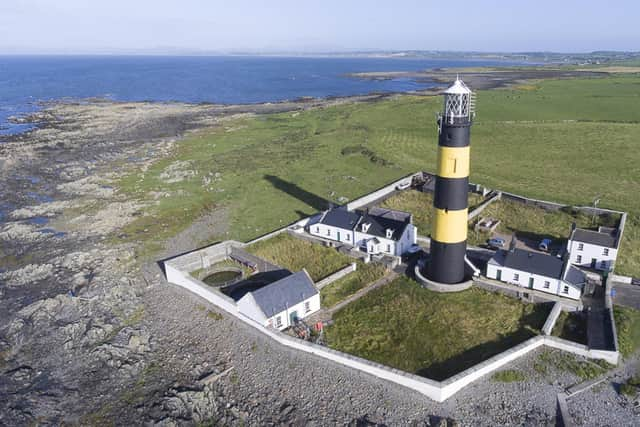
St John's Point Lightkeepers' Houses, Killough
Visitors have the opportunity to see the conservation work that has been carried out at these two houses while enjoying a self-guided tour. Now available as holiday accommodation.
Castlewellan Arboretum, Castlewellan
The walled garden dates from the 1750s and was originally a kitchen garden and orchard, created by William Annesley.
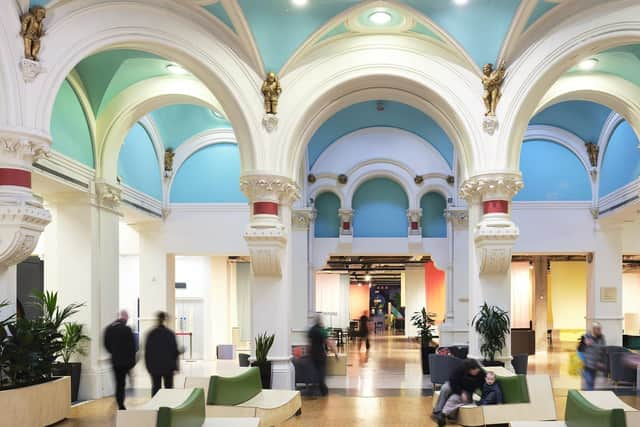
2 Royal Avenue, Belfast
Marvel at the magnificent gothic dome and listen to tales from the resident historian of this quirky building which used to be home to Tesco Metro.
Gracehill Village, Gracehill
Gracehill is a fascinating 18th-century village, steeped in history. Walk around the restored village square to have the best view of the Georgian settlement with its iconic architecture and characterful buildings.
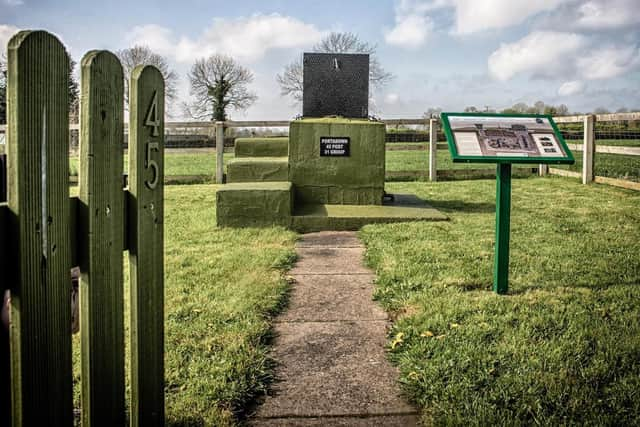
Northern Ireland's Secret Bunker, Portadown
15ft below a field on the outskirts of Portadown lies a relic of the Cold War. The former monitoring bunker was part of a network of similar structures all over the UK built to study the effects of Nuclear explosions and the resulting radioactive fallout.
Crom Estate, Newtownbutler
The 2,000 acres of parkland at Crom lie beside the shores of Upper Lough Erne, an ancient landscape which includes the ruins of the old castle.
Castle Ward, Strangford
Castle Ward is considered one of the National Trust’s most eccentric properties. Historically the family seat of the Viscounts Bangor, it is notable for its breath-taking landscape and celebration of 18th century theatricality and playfulness.
Barbican Gatelodge, Glenarm
Built in 1825, this romantic miniature castle with turrets and battlements is now available as holiday accommodation.
Springhill House, Moneymore
Home to the Lenox-Conyngham family for 10 generations, this 17th century plantation house is regarded as 'one of the prettiest houses in Ulster'.
The Ballance House, Glenavy
The Ballance House is a restored 19th century homestead in the rural countryside of Glenavy.
Belfast Royal Academy, Belfast
The Crombie Building, named after the first Principal of the Academy, is a three-storey building of Scrabo sandstone, constructed in the Scots-Baronial style which had been introduced to Ulster with the construction of Scrabo Tower in 1857
Harbour Office, Belfast
This is a wonderful Grade A listed building with significant antique pieces of furniture and artworks.
Andrew Jackson Cottage and US Rangers Museum, Carrickfergus
Enjoy a visit to an 18th Century thatched stone Cottage restored as a tribute to Andrew Jackson, 7th President of the USA whose parents lived nearby.
Navan Centre and Fort, Armagh
Immerse yourself in life 2000 years ago with a visit to the Navan Centre and Fort.
Dan Winter's Cottage, Loughgall
Dan winter’s Cottage, built in 1623, is situated close to Loughgall village at the Diamond Crossroads on the corner of Derryloughan road, directly in the centre of where the famous Battle of the Diamond took place in 1795.
Open House at the Strand, Belfast
This is the last EHOD weekend before the Strand closes for major renovations in 2024 so grab your chance to see the building in its current form.
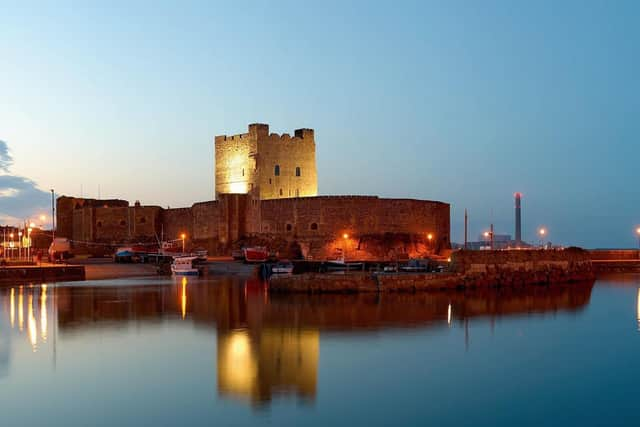
Carrickfergus Castle, Carrickfergus
Steeped in over 800 years of history, besieged in turn by the Scots, Irish, English and French, this Norman castle played an important military role until 1928 and remains one of the best preserved medieval structures in Ireland.