
Are Belfast couples rethinking engagement ring spending this spring?
Couples are preparing for a wave of spring proposals, but new research suggests a shift towards more budget-conscious engagement ring choices, challenging traditional expectations around spending.
Research from Dawsons Auctioneers points to changing engagement ring buying habits, with a significant proportion of buyers opting for lower-cost pieces, even as the UK enters the peak proposal planning period in March.
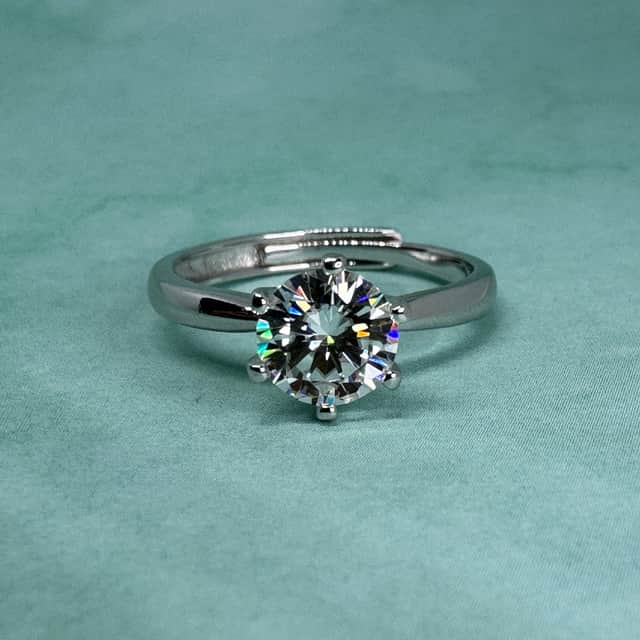

Key findings:
51% of engagement rings cost under £550
The average spend is approximately £2,750
Higher spending is linked to stronger positive sentiment
Natural diamonds account for 77% of purchases, vs 23% lab-grown
43% of buyers choose non-diamond gemstones
While April is typically associated with a surge in engagements, March is when many couples begin researching, comparing and purchasing rings—making it a key moment to understand how attitudes toward cost, design and tradition are evolving.
The data suggests a shift in how couples are approaching engagement ring spending. While higher-value rings are associated with stronger emotional satisfaction, many buyers appear to be prioritising affordability and personal meaning over traditional spending expectations.
With couples planning engagements ahead of the busy spring and summer wedding season, the findings point to a broader shift towards more practical and personalised purchasing decisions.
This trend may also reflect ongoing cost-of-living pressures, with buyers increasingly seeking value without compromising on appearance or sentiment.
According to jewellery expert Jonathan Pratt:
“There is a clear relationship between price and positive sentiment, but that does not mean buyers are willing to overstretch financially. What we are seeing is a shift towards more considered purchases—where meaning, design and individuality often outweigh cost.
We are also seeing more buyers focus on what they can comfortably afford, rather than what they feel they should spend. That often leads to more thoughtful choices, whether that is a smaller diamond, a lab-grown stone or a coloured gemstone.”
Gemstone trends:
While diamonds remain the most popular choice, a significant number of buyers are turning to alternative gemstones to balance cost and individuality.
Among non-diamond engagement rings:
Sapphires (30%)
Moissanite (22%)
Emeralds (6.8%)
Opals (5.5%)
These alternatives offer distinctive colour, character and, in many cases, a more accessible price point—appealing to buyers looking for something less traditional.
Jonathan Pratt adds:
“For many buyers, the decision is no longer just about price or provenance. It is about finding a ring that feels personal. In some cases, that may be a coloured gemstone or even a vintage piece, where character and history play a bigger role in the decision.”
As proposal season gets underway, the findings suggest that for many couples, the most meaningful engagement rings are not necessarily the most expensive—but those that reflect personal taste, financial reality and long-term significance.