
Northern Ireland aesthetics practitioner explains when to seek advice about hair loss after pregnancy
Hair loss after pregnancy can be an unexpected and upsetting experience for new mothers, with many noticing increased shedding when washing or brushing their hair in the months following childbirth.
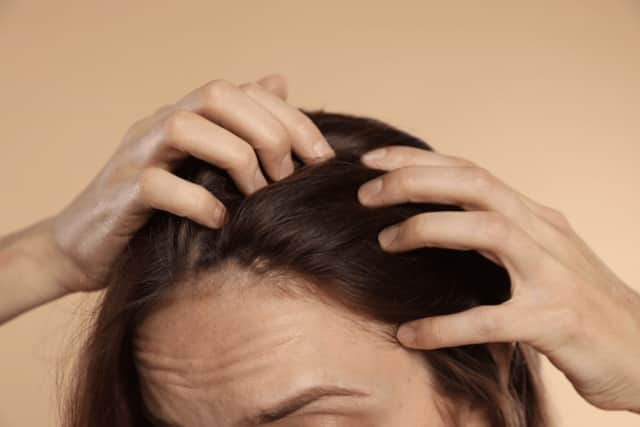

However, Hillsborough-based aesthetic medicine practitioner Dr Janice Brown explains that postpartum hair loss is often temporary and does not necessarily require treatment.
Understanding the difference between natural postpartum shedding and persistent hair thinning can help women make more informed decisions about seeking professional advice.
Why does hair loss occur after pregnancy?
Hormonal changes during pregnancy and after childbirth can affect the natural hair growth cycle, causing a greater number of hairs to enter the shedding phase around the same time.
Known as postpartum telogen effluvium, this type of hair loss often becomes noticeable around two to three months after childbirth.
Women may experience increased shedding across the scalp, reduced hair volume or a noticeably thinner ponytail.
Although these changes can be concerning, postpartum shedding often settles naturally as the hair growth cycle returns to normal.
When should new mothers seek professional advice?
For many women, allowing time for natural recovery may be the most appropriate approach.
However, Dr Janice Brown recommends considering an assessment if hair has not recovered six months after giving birth.
Women experiencing severe shedding, bald patches, scalp discomfort or inflammation should seek medical advice sooner.
Other factors, including iron deficiency, thyroid problems, stress and underlying patterns of female hair loss, may also contribute to persistent thinning.
In some cases, temporary postpartum shedding can make pre-existing hair thinning more noticeable, highlighting the importance of identifying the underlying cause before considering treatment.
Where does PRP hair treatment fit?
Platelet-rich plasma (PRP) hair treatment may be considered for suitable patients experiencing persistent hair thinning where active hair follicles remain.
At her Hillsborough clinic, Dr Janice Brown uses injectable platelet-rich fibrin (iPRF), a technique that involves taking and processing a small blood sample before injecting the prepared component into selected areas of the scalp.
However, treatment is not necessarily appropriate for every woman experiencing postpartum hair loss.
Where hair is recovering naturally, intervention may not be needed. For those experiencing ongoing thinning, an individual assessment can help determine whether treatment or further medical investigation is appropriate.
Results vary between patients, and no outcome can be guaranteed.
Taking a cautious approach during breastfeeding
As part of her clinic's approach to patient care, Dr Janice Brown recommends waiting until breastfeeding has ended before undergoing PRP or iPRF hair treatment.
Women concerned about persistent shedding during this period can still seek professional advice to help understand what may be contributing to their hair loss.
With more than 15 years of experience in private aesthetic practice and a Master's Degree in Aesthetic Medicine, Dr Janice Brown places individual assessment and realistic expectations at the centre of her approach.
For new mothers experiencing changes in their hair following pregnancy, understanding the cause should come before making any decisions about treatment.
Further information about postpartum hair loss and PRP hair treatment is available on the Dr Janice Brown Aesthetics & Skin website.
This article provides general information and does not replace individual medical advice.