
Northern Ireland drivers warned to check tyres before clocks go back as 94% underestimate wet-road stopping distances
Motoring experts reveal the five-minute safety check that could help drivers avoid dangerous autumn journeys and fines of up to £2,500 per illegal tyre.
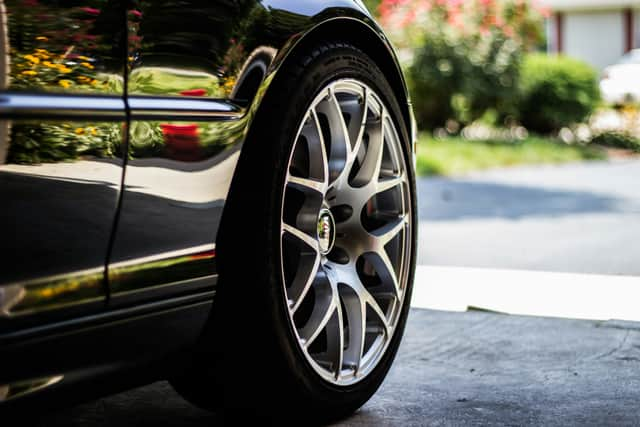

Motorists across Northern Ireland are being urged to carry out a simple five-minute tyre check before the clocks go back this Sunday (25 October), amid concerns that drivers are underestimating the dangers of wet roads and darker evenings.
With autumn bringing increased rainfall, falling temperatures and reduced visibility, experts are warning that poor tyre maintenance could make driving conditions more dangerous on rural roads, country lanes and busy commuter routes.
New research from road safety charity TyreSafe has revealed that 94% of drivers underestimate the additional stopping distance needed on wet roads at motorway speeds.
While 83% of motorists believe they understand their vehicle's stopping distance, just 6% could correctly identify how much further it takes to stop in wet conditions.
The findings come during October's Tyre Safety Month, which aims to encourage motorists to take greater responsibility for checking their tyres before setting off.
Nationwide Vehicle Contracts has now shared five straightforward safety checks, including a simple 20p coin test that could help Northern Ireland drivers spot worn tyres before they become a danger.
Why Northern Ireland motorists should prepare for darker evenings
The clocks will go back by one hour at 2am on Sunday 25 October, bringing an earlier sunset and leaving more motorists travelling in darkness.
For drivers commuting into Belfast, travelling between towns or using rural routes with limited street lighting, reduced visibility can make autumn journeys particularly challenging.
Wet leaves, standing water, sharp bends and slippery road surfaces can also affect vehicle grip and braking performance.
On unlit country roads, drivers may have less time to spot obstacles, pedestrians, cyclists or animals ahead.
Motoring experts are advising drivers to allow extra stopping distance, reduce speed to suit the conditions and ensure tyres are properly maintained before winter arrives.
Five tyre checks Northern Ireland drivers should carry out this autumn
1. Try the 20p coin test
One of the quickest ways to identify potentially worn tyres is to place a 20p coin into the main tread grooves.
If the outer band of the coin remains visible, the tyre should be checked with a tread-depth gauge or inspected by a professional.
The legal minimum tread depth for most cars is 1.6mm across the central three-quarters of the tyre and around its entire circumference.
Tyres should be checked in several places, as wear is not always even.
Motorists caught driving with illegal tyres could face a fine of up to £2,500 and three penalty points per defective tyre.
Adequate tread is particularly important on wet roads, helping tyres disperse water and maintain contact with the road surface.
2. Check your tyre pressures before temperatures drop
Colder weather can lead to reduced tyre pressures, meaning tyres that were correctly inflated during the summer may become underinflated as temperatures fall.
Underinflated tyres can affect handling, increase fuel consumption and reduce braking performance.
Drivers should check pressures when tyres are cold and follow the manufacturer's recommendations, which can usually be found in the vehicle handbook or inside the driver's door.
3. Watch out for cuts, bulges and other damage
Tyres can develop problems long before they reach the legal tread limit.
Motorists should regularly inspect them for cuts, cracks, lumps, bulges and embedded objects.
This is particularly important for drivers who frequently travel on rural roads, encounter potholes or drive over uneven surfaces.
A visible bulge or serious tyre damage should be professionally assessed before driving.
4. Check your tyres at least once a month
TyreSafe recommends checking tyre pressure, tread depth and general condition at least once a month and before long journeys.
Northern Ireland motorists travelling longer distances, particularly on rural roads or routes with frequent potholes, may benefit from additional inspections.
Regular checks can identify problems before they develop into expensive repairs or unexpected breakdowns.
5. Adopt simple habits to reduce tyre wear
Keeping tyres correctly inflated, maintaining wheel alignment and avoiding harsh braking or acceleration can all help extend tyre life.
Drivers should also check their spare tyre or puncture-repair kit before longer journeys.
As the winter months approach, motorists should be particularly cautious around standing water, wet leaves and slippery surfaces.
Expert warns motorists not to underestimate wet-weather risks
Keith Hawes, Director of Nationwide Vehicle Contracts, said:
"Tyres are one of the most important safety features on a vehicle, yet they're often overlooked. As autumn brings wetter roads, colder temperatures and reduced visibility, worn or underinflated tyres can have a major impact on grip, handling and stopping distances.
"What's particularly concerning is how many drivers underestimate the extra stopping distance needed in wet conditions. The good news is that checking your tyres is quick and simple. A basic 20p tread test, pressure check and visual inspection can be done in just a few minutes.
"Our advice is to make tyre checks part of your regular routine. Spending five minutes now could help improve safety, avoid unnecessary costs and provide greater peace of mind on the road."
With darker evenings approaching, Northern Ireland motorists are being encouraged to check their tyres before winter driving conditions become more challenging.
For drivers regularly travelling on poorly lit roads or longer rural routes, taking a few minutes to inspect tyre tread, pressure and condition could make an important difference to road safety.
For more motoring and vehicle maintenance advice, visit Nationwide Vehicle Contracts.