
Street Food and Home Cooking: The Best of Albanian Cuisine
Albanian cuisine is a rich blend of history, geography, and tradition, shaped by centuries of cultural exchange and local ingenuity. From bustling street corners serving quick bites to family kitchens where recipes are passed down through generations, food in Albania reflects both simplicity and depth. It is not just about eating, but about sharing, hospitality, and connection.
This balance between street food and home cooking is what makes Albanian cuisine truly special. Each offers a different perspective, yet both are rooted in fresh ingredients, bold flavors, and a strong sense of identity.

The Foundations of Albanian Cuisine
A Blend of Influences
Albanian food has been shaped by Mediterranean, Ottoman, and Balkan influences. Its location along historic trade routes introduced spices, cooking techniques, and ingredients that have become essential to its culinary identity.
You will find similarities with neighboring countries, yet Albanian dishes maintain their own character. Olive oil, fresh vegetables, dairy products, and herbs are staples, while meats like lamb, beef, and chicken are commonly used in both street food and home cooking.
The Importance of Fresh Ingredients
One of the defining features of Albanian cuisine is its reliance on fresh, locally sourced ingredients. Seasonal vegetables, homemade cheeses, and freshly baked bread are central to everyday meals.
Farm to table is not a trend in Albania. It is a way of life. Many families grow their own produce or buy directly from local markets, ensuring quality and flavor in every dish.
Street Food in Albania: Simple, Fast, and Flavorful
Everyday Street Favorites
Street food in Albania is all about convenience without sacrificing taste. Found in small bakeries, roadside stands, and casual eateries, these dishes are designed to be quick, filling, and affordable.
One of the most popular options is byrek, a savory pastry filled with cheese, spinach, or meat. Crispy on the outside and soft on the inside, it is a go to snack for locals throughout the day.
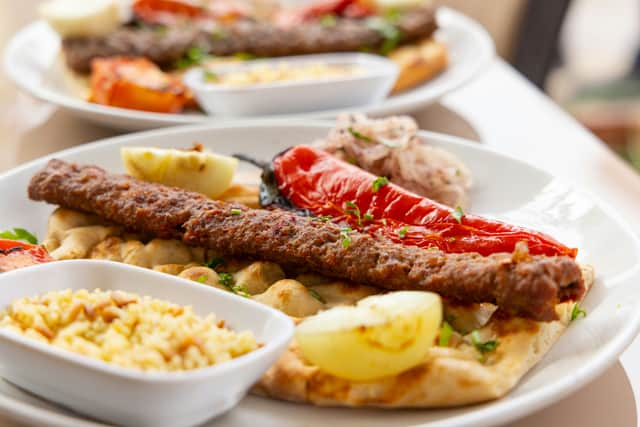
Another favorite is qofte, grilled meatballs seasoned with herbs and spices. Often served with bread and fresh vegetables, they are a perfect example of how simple ingredients can create bold flavors.
Street Food Culture and Daily Life
Street food plays an important role in daily life in Albania. It caters to busy workers, students, and travelers who need a quick meal on the go. Morning bakeries are filled with people grabbing fresh pastries, while lunch hours bring crowds to small food counters serving grilled meats and sandwiches.
Eating street food is also a social experience. People gather, chat, and enjoy their meals together, creating a lively and welcoming atmosphere.
Regional Street Specialties
Different regions in Albania offer their own street food variations. Coastal areas often feature seafood based snacks, while inland regions focus more on meat and dairy.
In cities like Tirana and Shkoder, you will find a mix of traditional and modern street food options, reflecting the country’s evolving food scene. Despite these differences, the emphasis on flavor and freshness remains consistent.
Home Cooking: The Heart of Albanian Culture
Family Meals and Traditions
Home cooking is at the core of Albanian life. Meals are often prepared with care and shared with family and guests. Hospitality is a key value, and offering food to visitors is considered a sign of respect and generosity.
Dishes are typically cooked slowly, allowing flavors to develop fully. Recipes are passed down through generations, preserving cultural heritage and family traditions.
Signature Homemade Dishes
One of the most beloved home cooked meals is tavë kosi, a baked dish made with lamb, rice, and yogurt. Its creamy texture and rich flavor make it a staple for special occasions and family gatherings.
Another classic is fërgesë, a comforting dish made with peppers, tomatoes, and cheese. It is simple yet deeply satisfying, showcasing the essence of Albanian cooking.
Stuffed vegetables, known as speca të mbushura, are also common in Albanian homes. Peppers, zucchini, and eggplants are filled with a mixture of meat, rice, and herbs, then baked to perfection.
The Role of Bread and Dairy
Bread is an essential part of every Albanian meal. Freshly baked loaves are served alongside almost every dish, used to scoop up sauces and complement flavors.
Dairy products also play a significant role. Yogurt, cheese, and butter are widely used, adding richness and balance to many recipes. Homemade yogurt, in particular, is a staple in Albanian households.
The Connection Between Street Food and Home Cooking
Shared Ingredients and Techniques
Despite their differences, street food and home cooking in Albania share many similarities. Both rely on fresh ingredients, traditional techniques, and a focus on flavor.
Many street food dishes are inspired by home cooked recipes, adapted for convenience and portability. Byrek, for example, is often made at home but is also widely available as a street snack.
This connection creates a sense of familiarity, allowing people to enjoy the same flavors whether they are eating at home or on the go.
Preserving Tradition in a Modern World
As Albania modernizes, both street food and home cooking continue to evolve. New influences and techniques are being introduced, yet traditional recipes remain at the center of the culinary landscape.
Younger generations are finding ways to balance innovation with tradition, ensuring that Albanian cuisine continues to thrive while staying true to its roots.
Exploring Albanian Desserts and Sweet Traditions
A Sweet Ending to Every Meal
No exploration of Albanian cuisine would be complete without mentioning its desserts. Known for their rich flavors and delicate textures, Albanian Desserts often reflect the country’s Ottoman heritage.
Popular treats include baklava, made with layers of pastry, nuts, and syrup, and trilece, a soft sponge cake soaked in three types of milk. These desserts are commonly served during celebrations and special occasions.
Homemade Sweets and Hospitality
In Albanian homes, desserts are often prepared with the same care as main dishes. Offering something sweet to guests is a common gesture, symbolizing warmth and generosity.
Simple sweets like rice pudding or fried dough are also popular, providing comfort and nostalgia for many families.
Regional Diversity in Albanian Cuisine
Coastal Flavors
In coastal regions, seafood plays a significant role in both street food and home cooking. Fresh fish, shrimp, and mussels are often grilled or lightly cooked to highlight their natural flavors.
These dishes are typically paired with simple sides like salads and bread, creating balanced and refreshing meals.
Mountain and Inland Dishes
In mountainous areas, the cuisine tends to be heartier. Meat, dairy, and grains are more prominent, reflecting the local environment and lifestyle.
Slow cooked stews, roasted meats, and rich casseroles are common, offering warmth and sustenance in colder climates.
Urban Food Culture
Cities in Albania bring together influences from different regions, creating a diverse and dynamic food scene. Street food vendors and home style restaurants coexist, offering a wide range of options for locals and visitors alike.
Urban areas also introduce modern interpretations of traditional dishes, blending old and new in creative ways.
Why Albanian Cuisine Stands Out
Simplicity and Authenticity
One of the greatest strengths of Albanian cuisine is its simplicity. Dishes are not overly complicated, allowing the quality of ingredients to shine.
This authenticity resonates with people seeking genuine food experiences, whether they are enjoying a quick street snack or a home cooked meal.
A Culture of Sharing
Food in Albania is deeply connected to community. Meals are meant to be shared, bringing people together and creating lasting memories.
This sense of togetherness is present in both street food settings and family gatherings, making Albanian cuisine not just about taste, but about connection.
A Culinary Experience Worth Exploring
From savory pastries and grilled meats to comforting home cooked dishes and sweet treats, Albanian cuisine offers a diverse and satisfying culinary journey. Its blend of tradition, flavor, and hospitality makes it a standout in the world of food, inviting everyone to experience its unique charm.f