
Cheap Flights: What They Really Mean for You - and what's the real cost of flying?
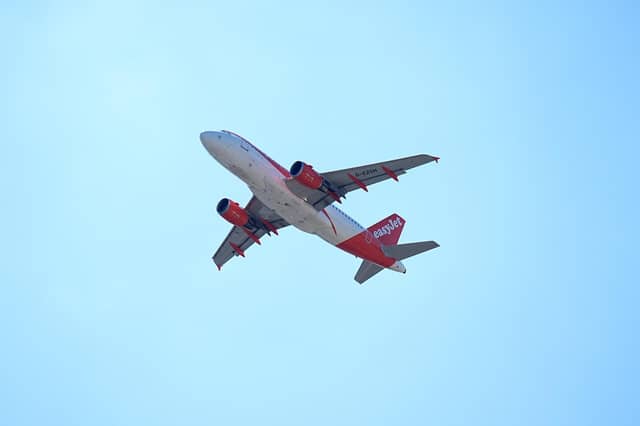

Thursday: Cheap Flights: What They Really Mean for You (BBC One, 9pm)
Earlier this month, climate scientists published a report, saying the mega-rich are using private jets “like taxis”.
Researchers traced all private flights globally between 2019 and 2023, and found that flights to Ibiza and Nice peaked during the summer.
The 2022 FIFA World Cup coincided with 1,846 jets arriving in Qatar, and 291 private planes landed in Dubai in the UAE, at the time of the UN climate conference in 2023.

Flying in a private jet for a single hour can release more carbon dioxide into the atmosphere than the average person produces in a year, and it was calculated that the CO2 emissions from private jets rose by 46 per cent in the four-year period that was studied.
However, it’s not just the ultra-wealthy who adding to the world’s environmental aviation problems.
Travelling abroad, especially by plane, used to be seen as a luxury and privilege.
But the growing popularity of low-cost airlines such as Ryanair, EasyJet and Wizz Air from the 1990s onwards provided some people, who may not have been able to afford it otherwise, with the opportunity to fly to a broader range of places.
Nowadays, more than 200 million holidaymakers fly in and out of the UK every year, and all their flights produce greenhouse gases which contribute to climate change.
Although the demand for short and long haul flights is now higher than ever, the world’s airline industry says it has a plan to cut emissions and help reach its net zero targets.
At the 77th IATA Annual General Meeting in Boston in 2021, a resolution was passed by committing airlines to achieve net-zero carbon emissions from their operations by 2050.
To succeed, it will require the coordinated efforts of airlines, airports, navigation service providers, manufacturers and governments around the world. But is that realistic?
And what does it all this mean for UK holidaymakers who are just keen to travel to the Eurozone, which can often be cheaper than staying in Britain?
The BBC’s Climate Editor, Justin Rowlatt, looks at whether the UK is on track to meet its ‘Jet Zero’ targets by 2050, and investigates if the decarbonisation goals will really revolutionise air travel and what it will mean for the price of our flights.
Air fares have already jumped in recent years as a result of higher prices for conventional fossil-based jet fuel, so when you factor in the increased demand for scarce greener sustainable aviation fuel, they could go up even higher.
With all this in mind, presenter Michelle Ackerley asks if it is possible for travellers to make an environmentally responsible decision on a budget.
She talks to aviation bosses at the UK’s second largest airport, Gatwick, to see how decisions made about the future of sustainable air travel could affect holidaymakers.
And finally, science reporter Fran Scott investigates if new technology could be the answer, looking at how the next generation of engines, which will be used in both private and commercial planes, could be made more efficient.