
Northern Ireland digital transformation specialist works on major Irish Rail project
Version 1, which employs 500 people at its Belfast office, has completed the project to modernise Iarnród Éireann’s human resources systems – redefining the future of rail service in Ireland
Version 1, a digital transformation specialist which employs 500 people at its Belfast office, has completed a project with Irish Rail to modernise its human resources systems.
Iarnród Éireann provides passenger and freight rail services across Ireland, as well as jointly operating the Dublin to Belfast Enterprise services with Northern Ireland Railways and operates Rosslare Europort.
Version 1 partnered with Iarnród Éireann, not just in the delivery of a new Cloud HCM system, but also in preparing the organisation for the transformation of its HR services and supporting the significant change management programme.



John Kennedy, head of HR organisational development at Iarnród Éireann, said: "We needed a partner that could understand our approach and delivery methods.
"This is a key deliverable for us, so we needed to bring people on the journey with us. We knew that delivery is through people and change affects people differently, so a key decisive factor for us was the profile of the supplier.
"Version 1 of course demonstrated all the technical capability required but more importantly, it could offer the strategic understanding and competencies in the business transformation element.
"The core values of both organisations married perfectly and the discussions we had with Version 1 really helped us in delivering the total programme successfully."
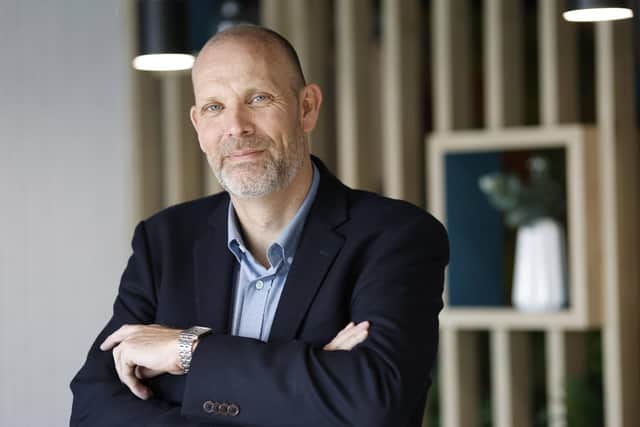
Colm Gillard, managing director for Enterprise Applications at Version 1, added: "When we set out to help Iarnród Éireann and first had discussions, we understood immediately that people are at the heart of what they do.
"Moving thousands of people every day and being at the centre of the Irish economy from a freight and infrastructure point of view, it was imperative that any system we designed had to be human-centric.”