
Three-month hike to fuel prices in Northern Ireland grinds to a halt - but rural communities facing 'serious problems' says MLA
The steady hike in fuel prices over the past three months has ground to a halt in the last week.
That is the picture painted by the latest figures from the Consumer Council, which surveys prices at dozens of forecourts across Northern Ireland every week.
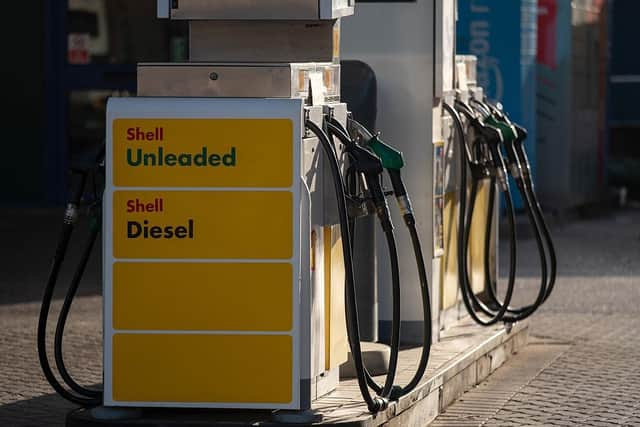

The average price of diesel now stands at 193.3p per litre (ppl) – but that is unchanged on the week before.
Meanwhile petrol now stands at an average of 167.1p per litre – down 0.1p on the week before.
But while the halt to the ballooning prices will be welcomed by motorists, diesel is still almost 39p more expensive on average than it was at the start of July, when it reached the bottom of a dip caused by a tentative (and temporary) peace agreement between Iran and the USA.
And compared to pre-war prices, diesel is currently roughly 61ppl more expensive in Northern Ireland on average.
As for petrol, the current price is 23ppl more than it was during the summer dip, and just over 42ppl more expensive than it was before the war started.
At the same time, the price of home heating oil has dipped slightly for the third consecutive week.
A 900-litre load now stands at an average of £934, down by about £9 in a week.
The UUP’s farming spokeswoman Diana Armstrong (Fermanagh and South Tyrone) said: “The highest diesel prices in Northern Ireland are in our most rural counties.
“Fermanagh and Tyrone are both averaging over 194p a litre, and there are forecourts already charging £2.
“The places paying the most are the places with the fewest alternatives.
“There is no bus. There is no train. If you live in rural Northern Ireland you drive, or you do not go...
“Rural households are hit twice over: longer distances to work, to school, to the doctor, to the mart, and no public transport worth the name to fall back on.
“A price rise that is an inconvenience in a city is a serious problem in a country townland.”
She added: “What I would say to the chancellor ahead of this budget is simple: Do not touch fuel duty.
“Rural Northern Ireland cannot carry another penny of it.”
The autumn budget is due on October 28.