
SDLP doubles down on Nolan Show ‘bias’ claims
The SDLP has doubled down on claims that the Nolan Show is too unionist, after Carla Lockhart MP wrote to the BBC urging it not to let the nationalist party interfere in editorial decisions.
On Monday, SDLP opposition leader Matthew O'Toole tabled a motion, passed by MLAs, calling for more accountability on cuts to valued BBC services.
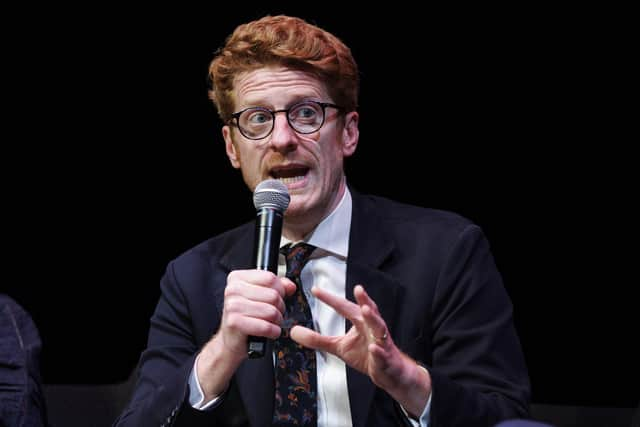

During the debate he expressed concern about the frequency of appearances on the Nolan Show by loyalist activist Jamie Bryson, Carla Lockhart MP, DUP MLA Jonny Buckley and TUV leader Jim Allister MP.
Defending himself after the debate, however, Stephen Nolan said Mr O'Toole is "very welcome" to go on the show but "chooses not to be".
Ahead of this week's debate, communications professional Tim McKane also expressed concerns about political balance. He noted the TUV vote rose from 2.6% in the 2017 Assembly election to 7.6% in 2022.
Jim Allister was "a recurring voice" on the Nolan programmes during those intervening years, Mr McKane wrote on his blog, adding that his appearances "helped bring the TUV’s arguments to a wider audience" and likely contributed to the party’s electoral growth.
He also suggested that similar appearances by Jamie Bryson, led to him becoming "a recognisable contributor to political discussion".
Mr McKane therefore called on the BBC to publish a record of political appearances on Nolan’s shows.
Following Monday's debate, Ms Lockhart wrote to BBC Northern Ireland, asking what steps it would take to ensure "political pressure" from the SDLP does not influence "which unionist voices listeners hear".
She said the SDLP "fail to raise any concerns" about other BBC output, such as Talkback, which she claimed "quite plainly disproportionately platforms nationalist contributors".
During Monday's debate, Mr O'Toole said listeners can hear "a narrow set of hard-line views" on the Nolan Show daily.
He cited Drumcree coverage on 3 September, when Jamie Bryson was interviewed for nearly 20 minutes, followed by an live press conference by Portadown Orange Lodge and another interview with Mr Bryson.
Mr O'Toole also cited Carla Lockhart related broadcasts from 19-26 October and Jonny Buckley's 45-minute interview on November 4, followed by a Jim Allister interview.
He did not protest at the stories, he said, but he asked whether they reflected BBC guidelines, 'to act in the public interest, serving all audiences through the provision of impartial, high-quality and distinctive output'.
Speaking later this week, Mr Nolan said Mr O'Toole is "very welcome" on The Nolan Show but "chooses not to be".
He told the Belfast Telegraph that all his guests appear across other media and newspapers, and "every citizen" is entitled to a voice, subject to editorial and legal restrictions. Both the DUP and Sinn Fein have boycotted his show in recent years, he added.
Jim Allister, meanwhile, said the SDLP comments were "an attempt to silence voices they disagree with and bully the media into deplatforming loyalist voices, particularly the TUV". TUV has been polling at "broadly similar levels" to the SDLP for years, he added.
Jamie Bryson added that the BBC should not be "bullied" into only engaging with unionists "who secure nationalist approval".
Reflecting on the reaction above, an SDLP spokesman responded that Mr O’Toole set out the SDLP's position in the Assembly on Monday.
"There are real concerns about BBC NI accountability in relation both to cuts to vital services and the sense of disproportionate platforming of certain agendas on a public service broadcaster,” he said.
"We care about the health of the BBC and so will be writing to management to outline concerns following our successful Assembly motion, which passed without a division."
The BBC, meanwhile, responded that it seeks to reflect "a breadth of views and voices" but does not give anyone "uncritical access" to its airwaves.
"Our decision-making is informed by the BBC’s editorial guidelines and a concern to report news stories in all of their different aspects," it said.
BBC airwaves remain open to "all" politicians, she added.