
MV Princess Victoria sinking: Exhibition and service marks anniversary of worst maritime disaster in UK waters after Second World War
A 1950s ferry disaster that was the biggest loss of life in UK waters after the Second World War is being marked this weekend.
Today (Friday) is the 72nd anniversary of the sinking of the MV Princess Victoria, which went down off the County Down coast with the loss of 135 passengers and crew.
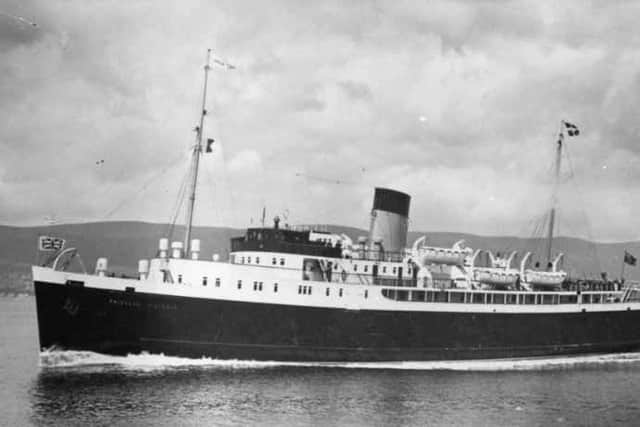

The disaster, which happened during a gale-force windstorm, claimed the lives of two senior Unionist figures - Northern Ireland’s Deputy Prime Minister, Maynard Sinclair, and North Down MP Sir Walter Smiles.
It shocked the nation as, despite the extreme weather, the ferry was making its regular trip across the North Channel from Stranraer to Larne and was in what were considered to be safe waters.
The MV Princess Victoria was also advanced technology for the era, as it was one of the first commercial ferries with a roll-on roll-off facility for cars.
Huge waves damaged its stern doors during the journey, flooding the car deck and causing the boat to list; off course, attempting to reach shore and desperately radioing for help, the ferry finally went down five miles away from the Copeland Islands off the County Down coast.
Rescue attempts by Navy ships and merchant vessels close to the scene were hindered by the storm, and it wasn’t until the Sir Samuel Kelly lifeboat launched from Donaghadee that survivors could be plucked from the cold winter sea.
The lifeboat’s heroic crew saved the lives of 33 of the 44 people rescued that afternoon, and decades later the date of January 31, 1953, still looms large in the psyche of Donaghadee.

Today sees an exhibition open in the seaside town paying tribute to the victims, survivors and brave lifeboatmen, run by a community group dedicated to restoring the Sir Samuel Kelly.
And on Sunday, a religious service will be held on Donaghadee Harbour – an annual occurrence to mark the anniversary and one that, weather permitting, regularly draws up to 100 people.
As Alan Couser from the Sir Samuel Kelly Project explained, townspeople old enough to remember the disaster make a point of attending the service year-in year-out, usually accompanied by their children and grandchildren.
"It’s important for us to remember the tragedy and the heroism of that day,” he said.

"This was a major event for Donaghadee; the town has always had a strong connection to the sea, the first thing you see what come here is the harbour and lighthouse.
"We want to make sure those who were lost are not forgotten, and nor is the bravery of the men who went out on the lifeboat in extremely dangerous conditions.”
In fact, the Sir Samuel Kelly Project hopes to house the lifeboat in a heritage centre costing up to £3m, which would act as an educational and cultural centrepiece for the town as well as a tourist draw.
“A lot of people and their families have been dedicated to the lifeboat, which kept going for decades after the Princess Victoria disaster,” Alan told the News Letter.
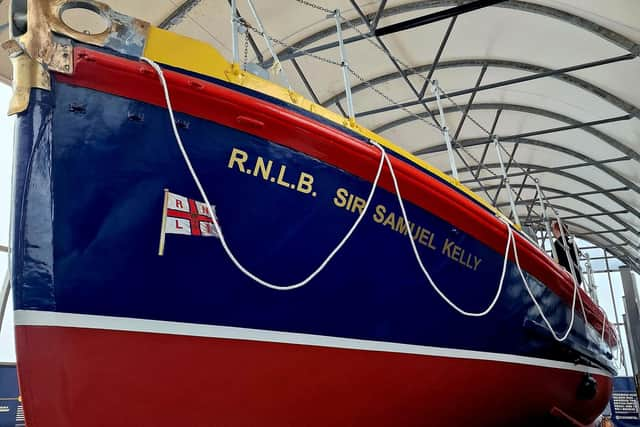
In fact, its final launch was in 1979, when a deadly windstorm struck the Fastnet yacht race; 24 boats were abandoned, of which five were sunk, sparking a huge rescue mission.
"Even on her last shout, the Sir Samuel Kelly saved 11 lives,” said Alan.