
Hidden heart timebomb test saved my life
As he approaches his 50th birthday, Bangor man David McCauley believes a routine appointment with the Familial Hypercholesterolaemia (FH) service in the South Eastern Trust may have saved his life.
Despite being a keen marathon runner who felt fit and healthy, David was shocked to discover that an artery supplying his heart was around 85% blocked.
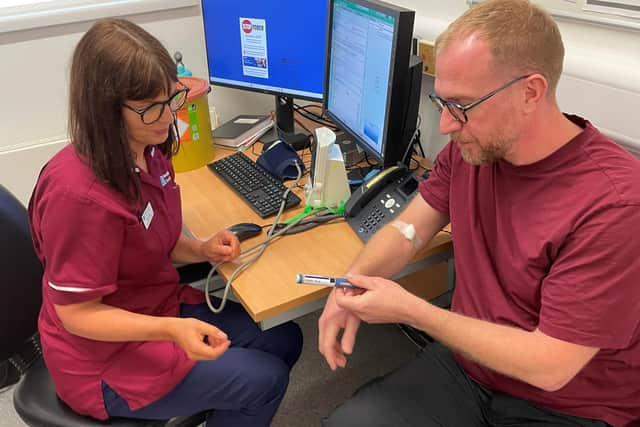

The potentially life-threatening condition was identified during a specialist review, allowing doctors to fit a stent before he suffered a heart attack or other major cardiac event.
David first learned about FH almost 20 years ago after his father was diagnosed with the inherited condition, which causes dangerously high cholesterol levels.
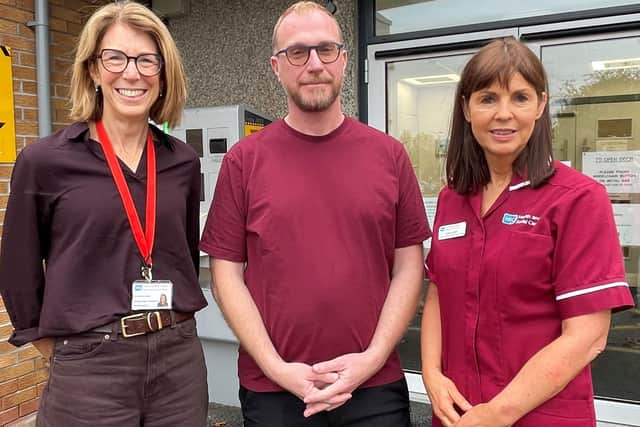
Following his father's advice, David and his sister were tested and both discovered they had inherited FH. His father's own diagnosis had come through testing within the wider family, highlighting the importance of identifying relatives who may also be affected.
David's first cholesterol reading was above 11, significantly higher than the level of below five that would normally be expected. Although he went on to make major lifestyle changes, including losing weight, stopping drinking and taking up marathon running, those changes alone were not enough to bring his cholesterol down to a safe level.
He continued attending specialist appointments and taking medication to manage the condition.
During one review, his consultant recommended a CT scan because of the length of time he had been living with FH and the associated risks. The scan revealed an approximately 85% blockage in his right coronary artery.
David said: "I honestly believe I might not be here today if I had not come to the clinic. I was very active, running marathons and feeling fit and healthy, so finding out that an artery was around 85% blocked was a real shock.
"I was very fortunate that my consultant was proactive and arranged the scan. Without it, I might never have known about the blockage until I had a serious cardiac event.
"The important thing to understand about FH is that you cannot tell by looking at someone whether they have high cholesterol. I was very fit and slim, but I had inherited this condition and my cholesterol had been high since birth.
"I continue to attend the FH clinic, take my medication and have regular reviews to keep my cholesterol under control. I would encourage anyone with a family history of high cholesterol to speak to their GP and get checked. Finding out early can make a huge difference."
David's experience highlights the work of the Regional Familial Hypercholesterolaemia service, which operates across Northern Ireland and helps identify people at risk of potentially life-threatening heart disease through the diagnosis and treatment of FH.
The South Eastern Trust is part of the regional service, with specialist nurses in each health and social care trust providing assessment, diagnosis, treatment and lifelong support for patients.
FH affects around one in every 250 people in the UK and causes cholesterol to build up in the arteries from birth, significantly increasing the risk of heart attacks and strokes if left untreated.
Northern Ireland currently leads the UK with a detection rate of 31.5%, but more than 65% of those believed to have the condition remain undiagnosed.
South Eastern Trust familial hypercholesterolaemia nurse Kelly Lyttle explained that FH causes high levels of low-density lipoprotein (LDL) cholesterol, often known as "bad" cholesterol.
Without treatment, fatty deposits can build up in the arteries and increase the risk of cardiovascular disease.
Kelly said: "It is vital that we identify as many people with FH as possible so that treatment can begin early and help prevent damage to the arteries, heart attacks and strokes.
"Most people with FH have no obvious signs or symptoms, so they may be completely unaware they have the condition until their cholesterol is checked or they experience a serious health problem.
"Once we identify someone with FH, we can offer cascade testing to their family members. Each child of someone with FH has a 50% chance of inheriting the condition, so identifying one person can help us find other relatives who may also need treatment."
She added: "We work closely with colleagues in cardiology and cardiac rehabilitation to identify people who may be at risk. Alongside medication and regular monitoring, newer treatments, including injectable therapies, can help patients achieve better cholesterol control. We also support patients to administer these treatments themselves where appropriate.
"Early diagnosis is particularly important because treatment can begin in childhood, from around the age of 10 where indicated, helping to protect blood vessels and reduce the risk of complications later in life." South Eastern Trust consultant medical biochemist Dr Kathryn Ryan said Northern Ireland's leading detection rate was encouraging, but stressed there was still much work to do.
She said: "Northern Ireland is leading the UK with a 31.5% detection rate, which is a significant achievement, but we know there is still much more to do, with more than 65% of people believed to have FH remaining undiagnosed.
"Early identification gives people the opportunity to receive the right treatment and reduce their risk of developing serious cardiovascular disease. With around one in every 250 people affected, this is a condition that could be present in many families without them knowing.
"If you have a family history of very high cholesterol or premature heart disease, it is important to speak to your GP about having your cholesterol checked. Identifying FH can protect not only your own health but also the health of your relatives."