
'No one can credibly argue one-quarter of Northern Ireland needs this': DUP MLA demands action on prescriptions, as 26% of province now on antidepressants
More than one-quarter of Northern Ireland’s adults are taking antidepressants – the equivalent of roughly 400,000 people.
The statistic, which comes after continuing rises in the number of people prescribed the psychiatric medication over a 10-year period, has seen a DUP MLA call for action, stating health authorities need to “get prescribing under control”.


Newly released figures show that in the 2015/16 financial year, 22.3% of Northern Irish adults were dispensed anti-depressants. As the province’s overall population was slightly smaller at the time, that’s the equivalent of around 330,000 people.
As of the 2024/25 year, however, that statistic had gone up to 26.5% of adults.
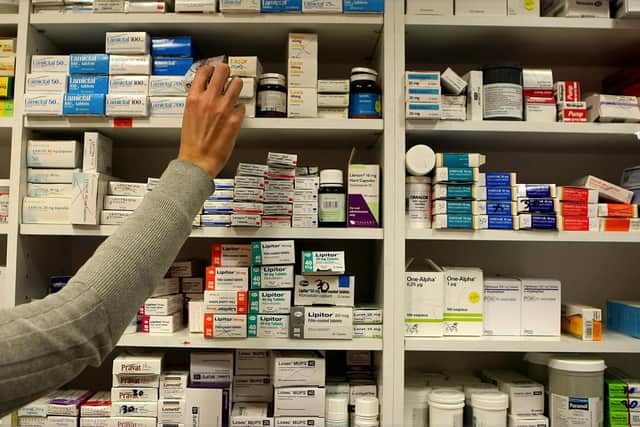
The percentage of people taking antidepressants has increased almost every year since 2015, the figures show, the only exception being a negligible fall of 0.1% between from 2019/20 to the 2020/21 year.
In addition to being prescribed to treat depression, the medication can be issued for several other conditions – doctors can issue antidepressants to patients with eating disorders, for example, as well as post-traumatic stress or anxiety. They have also been prescribed to treat some types of chronic pain, as well as sleep disorders.
Some authorities have raised concerns that they’re being used too often, however; NHS England’s national clinical director, Tony Avery, stated in 2024 that non-drug alternatives can be considered more effective in cases of “less severe” depression, and wrote of the importance of “striking the right balance” on medication.
The new Northern Ireland figures emerged as a result of Assembly questions by DUP health spokeswoman Diane Dodds, who argues authorities need to address the situation.
“We need to get prescribing levels under control,” she said. “No one can credibly argue that more than a quarter of our population requires to be taking antidepressants.”
“The evidence shows that medication only plays a partial role for patients, and often talking therapies are required to achieve long-term improvement.”
The Upper Bann MLA told the News Letter that antidepressants are more often prescribed to people in less affluent areas.
“The highest levels of antidepressant prescribing occur in females aged 45 to 64 years, with figures as high as 40% reported,” she added.
“There are also other medications, such as benzodiazepines and sleeping tablets, where action is required to address prescribing in Northern Ireland far in excess of other comparable regions.”