
Northern Ireland is in the grip of the ‘100 day cough’ epidemic - here's what you should know about whooping cough
Cases of the highly contagious disease have dramatically increased in Northern Ireland from just two reported between 2021 to 2023 to 462 so far this year
Northern Ireland is in the grip of the ‘100 day cough’ epidemic, with hundreds of confirmed cases reported so far this year.
According to new figures from The Public Health Agency (PHA) there have been 462 clinically suspected cases of whooping cough reported since January alone. Of those notified during 2024 to April 11, 352 were laboratory confirmed. This compares to just two reported cases between 2021 and 2023.
The first four months in 2024 also exceeds the total confirmed during 2019 when 182 were reported, just before the Coronavirus pandemic.
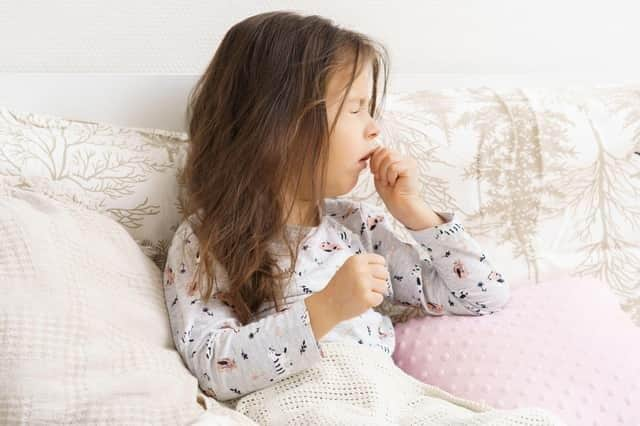

Officially known as pertussis, whooping cough is a highly contagious bacterial infection of the lungs and breathing tubes and can easily be mistaken for a cold in its early stages.
Sufferers start with a runny nose and sore throat before other symptoms begin to show including coughs which last several minutes and worsen at night with a characteristic “whoop” sound. Concerningly, the cough can last weeks or even months.
The outbreak is also affecting local education facilities and businesses with large increases in absences and sick leave.

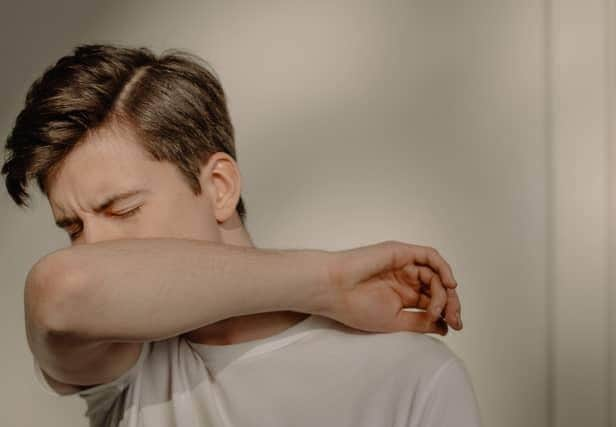
Coronavirus lockdowns and social distancing had significantly dampened the spread of the infection since 2020, meaning a rise in cases was almost inevitable. Pertussis typically follows a cyclical pattern with epidemics occurring every three to four years.
Louise Flanagan, consultant in Public Health at the PHA, explained: “Whooping cough, which some call the ‘100-day cough’, tends to circulate in greater numbers in Northern Ireland every three to four years. Currently we are seeing an increase, so it is a timely reminder of the importance of vaccination for eligible groups.
“Whooping cough spreads very easily and can make babies and young children in particular very ill, and can even be fatal in young babies or people with underlying health conditions. However, it can be prevented through vaccination, so it is extremely important that parents get their babies vaccinated against it as part of the childhood vaccination programme, and that pregnant women also get vaccinated, as this will help protect their baby from getting whooping cough in the weeks after birth.
"Whooping cough is a disease that can cause long bouts of coughing and choking, which can make it hard to breathe. The evidence shows that babies born to vaccinated mothers are 90% less likely to get the disease than babies whose mothers were unvaccinated.
“Young babies are at greatest risk of developing more serious disease, so it is very important that women take the offer of pertussis vaccine during each pregnancy so that their baby is protected against whooping cough after they are born, and that they continue that vaccination journey after their baby is born, getting them vaccinated, starting from when they are two months old as part of the childhood vaccination programme.
“The best time for women to get the vaccine is between 16 and 32 weeks of pregnancy, but the vaccine can be beneficial even if given later. Whooping cough vaccines are given at GP practices so make sure to make an appointment to get it. If you have any questions about vaccination during pregnancy talk to your midwife or GP about the vaccines.”
According to NI Direct the pertussis vaccines doesn’t offer lifelong protection from whooping cough, however the vaccines can help stop children getting it when they're young and more vulnerable to the effects of the infection.