
Source of Co Londonderry mosquito plague found: Experts ask for public help to track down other NI hotspots after record number of biting insects found this year
Experts think they’ve tracked down the source of an insect breeding ground that’s turned a Co Londonderry village into an infamous mosquito hotspot over the last two summers.
But with a record number of mosquitos and other biting insects found across Northern Ireland this year, they’re asking the public to help by reporting any other possible hives of activity.
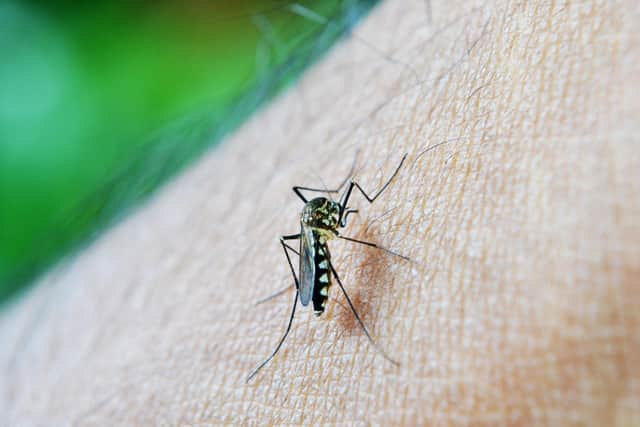

Since 2024 residents of Ballykelly, located close to the north-west shore of the province a couple of miles outside Limavady, have complained of being plagued by mosquitos in warmer months, with some repeatedly bitten by the insects.
A probe by Queen’s University Belfast has now identified wetlands in the area, including a coastal salt marsh, as potential breeding habitats.

According to researchers, a short survey uncovered that mosquitoes are currently moving from the marsh area to bite within other parts of the village, such as nearby woodlands.
The university now wants members of the public to report sightings elsewhere, hoping to build up a database of hotspots for what they describe as “nuisance biting species”.
Mosquitoes are generally overlooked in Northern Ireland, state researchers, as the cooler climate across the entire island of Ireland has traditionally been thought to limit the insects and stifle disease risk.
There’s no evidence any of the native mosquito species here have ever spread diseases to humans, but there are concerns of increased risk to animals and livestock in this part of the world.
Six years ago, for example, a mosquito-borne disease first identified in animals in South Africa was found in wild birds in England for the first time; by last year, it had spread to birds in Scotland as well – and there are rare cases of that specific virus spreading to humans.
Health risks from mosquitos are exacerbated by environmental degradation, say researchers, including from urbanisation, agricultural intensification and climate change. In addition, invasive species can shift the distribution, number, and activity patterns of the insects and any viruses they carry.
In attempt to improve regional knowledge of mosquitoes and associated risks, during the spring Queen’s launched website MosquitoNI, the first public mosquito reporting system in the country.
Information from the public through that site has allowed researchers to identify nuisance biting locations and species in Northern Ireland.
Stating it would be impossible for one team to closely monitor every single location in the province for mosquitos, the university’s Ross Cuthbert said: “The information we gather from MosquitoNI is extremely valuable to inform our sampling and understandings.
“We have recently reactively sampled apparent hotspot sites, such as Ballykelly, and we would urge people to continue to use the reporting system to allow us to determine additional areas of activity.”
Some the species found turned out to be potential disease carriers, which researches say could indicate risks in Northern Ireland are being overlooked.
Dr Cuthbert added: “Previous research at Queen's found surprisingly high numbers of mosquitoes across NI. Last year, thousands of mosquitoes were collected in specialised traps set around various wetlands and urban sites where mosquitoes breed. So far, around 20 different species have been found across the island of Ireland.”