
Sports stars who survived strokes in prime of life back new health campaign
Three Northern Irish sports stars struck down with strokes at the peak of their health have spoken of the importance of getting help as soon as possible – which means knowing how to recognise the symptoms.
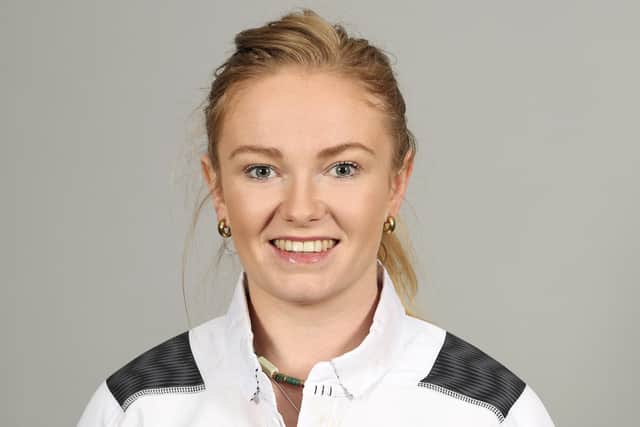
Each of the three suffered strokes before they turned 40 – one, Kathryn Dane, was just a few weeks into her professional rugby career, while former Glentoran, Linfield and Glenavon striker Andy Waterworth was hit the day after he hung up his football boots for the final time and celebrated his retirement from the pitch.
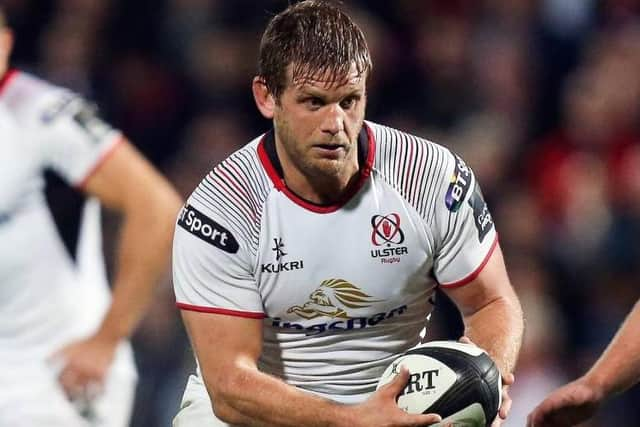

And Ulster and Ireland rugby legend Chris Henry suffered a mini-stroke as he was in a hotel bathroom hours before he was due to take the field in an international match.
They’re now backing a new awareness campaign from Chest, Heart and Stroke, which comes after a 23% rise in the number of people in Northern Ireland living with strokes over the past 10 years.
The charity’s reinforcing symptom-checking acronym FAST – Face, is it drooping? Arms, is there weakness? Speech, is it slurred? Time to get to hospital.
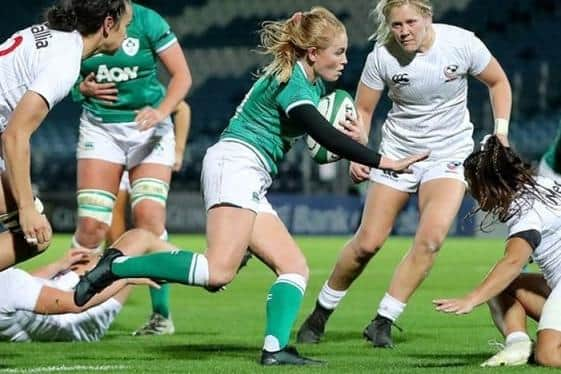
Aged 26 and at the pinnacle of health and fitness, former Ireland and Ulster rugby player Kathryn suffered a brain haemorrhage during a training session.
“I felt a massive pain behind my right eye, in the back of my head,” remembers the Co Fermanagh native. “My coach, Ed Slattery, noticed my face had dropped. It took hold incredibly quickly.
“Ed got the team doctor, and they knew straight away I’d had a stroke of some description.”
Fortunately, the training ground was a short distance away from a hospital. Says Kathryn: “Time is everything. If I’d had my stroke somewhere else and Ed hadn’t recognised the symptoms, I would have had a totally different outcome.
“Thankfully, I have recovered well. Eighteen months later, I was back playing rugby for Ulster; my stroke is a chapter in my life story that I’ve fought back from.”
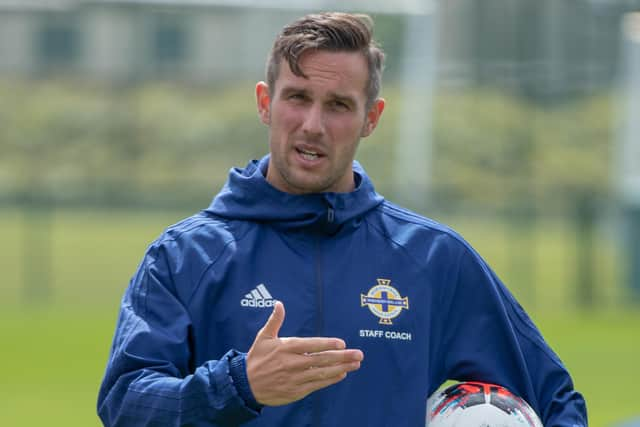
With fitness paramount in his football career and regular player health checks, Andy Waterworth says he “never in million years” expected to suffer a stroke – yet in April 2022, aged 36, that’s exactly what befell him due to an undiagnosed hole in his heart.
“To be fit and well one minute and have a stroke the next was unbelievable,” he says. “Thankfully, [after surgery] I made a brilliant recovery.
“Having a stroke put things into perspective for me; now I’m happy and enjoy spending more time with my family, having holidays and continuing to work in a job that I love.
“I would appeal to everyone, if you don’t feel right go and get yourself checked as a matter of urgency.”
Chris Henry’s mini-stroke in 2014 at the age of 30 was also due to an undiagnosed hole in the heart. He went to splash water on his face, when his left arm fell, one side of his face drooped, and his speech was slurred; recognising the symptoms from his father’s stroke, he sought immediate help.
After surgery, he recovered and was back in time for the Rugby World Cup around a year later. He says: “It’s vital people are aware of the FAST acronym and know that if they see any symptom, get to hospital as soon as possible. Time is of the essence.”