
Struggling with sleep this winter? Expert tips for a January reset
On these oh-so gloomy short days, with not much respite from dark mornings and dark nights, you’d think it would be easier to get a decent night’s sleep.
But factor in a winter of discontent, the rising cost of living and January blues, and chances are you’re tossing and turning – and feeling generally out of sorts as a result.
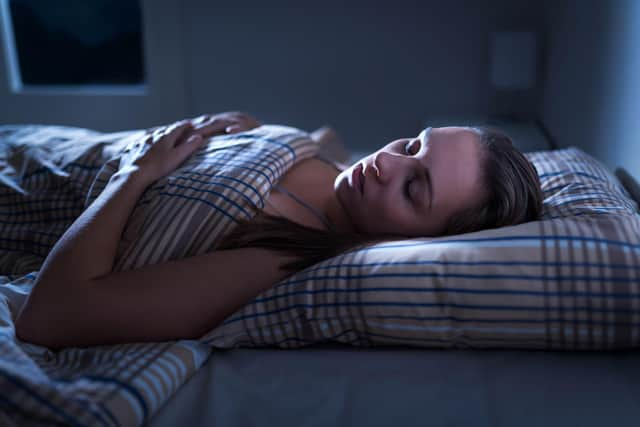

Here, experts share their top tips for getting the best sleep possible in January…
1. Turn on your lamp as soon as your alarm goes off

It may not be light outside when your alarm goes off, but you can help your body to recognise daytime by using artificial light, says Dr Maja Schaedel, clinical psychologist with a specialism in insomnia, sleep difficulties and trauma, and co-founder of the Good Sleep Clinic Schaedel
“A bright light shining in your face will help to persuade your brain that it is, in fact, daylight, even if you have your eyes shut.”
2. Face the elements and go for a walk
“It can be so difficult to muster the motivation to get outside and exercise when it’s cold, windy and raining, but the benefits of exercise to our sleep quality – and the benefits of exposure to daylight to our circadian rhythm – are clear,” says Schaedel.

If you struggle to make time or find the motivation for it, she says to try to make your walk an ‘experience’ and see it as an invigorating, challenging moment, where you are fully faced with the drama of the natural world.
If you’re working from home, add it into your routine as an alternative ‘commute’.
3. Ditch the tech before bedtime
Winding down before you head to bed is just as important as the sleep itself, says Enrique.

This can have a big impact on the quality of your slumber and ability to drift off.
“In the hour before you settle down for the night, try to avoid bright screens, such as laptops and mobile phones, which can stimulate your brain and keep you awake for longer,” Enrique suggests.
4. Try the Scandinavian sleep method
With more and more people speaking openly about different sleeping arrangements with their partners, Dorothy Chambers, sleep expert at Sleep Junkie, says it’s no surprise people are looking for other ways to have a peaceful night’s sleep when sharing a bed.
“The Scandinavian sleep method is where a couple uses two separate duvets/blankets, rather than one large one to share,” explains Chambers.
“It has its pros and cons – and definitely something that might not suit everyone’s personal sleeping preferences.”
5. Eat the best foods for sleep and time it right
Chambers suggests that ideally, you should be eating your last meal of the day at least three hours before bed and not eating again until breakfast (although this can vary depending on your individual health and needs, of course).
“Some foods have specific sleep-promoting properties, while others make your stomach feel heavy and unsettled.
"For example, eating turkey makes you feel drowsier than red meat would.”