
RSPB: A season of change as birds return to spend the autumn and winter with us
It’s officially the start of autumn and with it begins a season of colour and spectacle.
Hedgerows ripen with berries, trees dazzle with golden leaves, and fungi erupts from the forest floor.
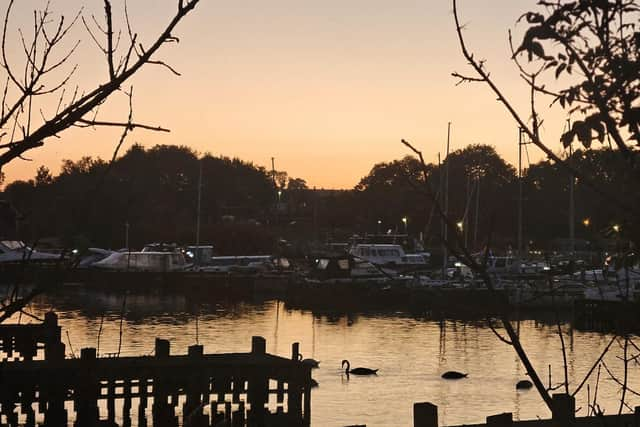

I’ve always found that nature puts on a spectacular show at this time of year, and these last few weeks the sunsets have been spectacular. Let’s not forget that incredible harvest moon that lit up the evening sky, casting a glow of orange across the water.
I’ve been enjoying getting out for an evening walk and I’m lucky to live close to Lough Neagh, where there are endless amounts of nature to watch and listen out for. From Coots to swans, ducks and soon the thrilling sound of the Whooper Swan will join as they are due to return over the coming weeks to spend autumn and winter on our shores.
As we know not all birds stay in the same place their whole lives. Some migrate to take advantage of seasonal resources, especially food. Some migrations are short, but many birds make truly epic journeys, crossing continents, deserts and oceans.
But have you ever wondered how they know when it’s time to migrate? Each year, at the same time, glands in a bird’s body release hormones into their system. Environmental cues, including the gradual change as days get shorter or longer cause this to happen automatically. These hormones make birds behave differently and gives them the signal it’s time to set off for their next adventure.
For a small number of bird species including swans and geese, migration is learnt from the behaviour of their parents. They young follow their parents for several months, which helps ensure they migrate at the right time, follow the right route and learn where feeding sites are along the way.
Spring and summer wouldn’t be the same without these brilliant birds soaring overhead or serenading us with their song. And autumn or winter would be so much drearier without the wonderful waders, wildfowl and other birds that spend the cold months with us.
But fewer and fewer of them are returning each year, with some like Swifts and House Martins, now on the Red list of Birds of Conservation Concern in the UK.
But there is hope. Together with RSPB, we can bring back rich and varied bird life to our land and seas. You can help breathe new life into our natural world.
Help RSPB protect the birds you love and defend the natural spaces they call home by becoming an RSPB member today: www.rspb.org.uk/memberships