
SAS soldier 'responded proportionately' in killing of IRA driver
A coroner was legally entitled to find an SAS soldier justified in shooting an unarmed IRA driver as part of a collective terrorist threat to life, the Court of Appeal ruled today.
Senior judges rejected claims that a distinction should have been made between Tony Doris and two paramilitary associates also ambushed and killed in Coagh, Co Tyrone nearly 35 years ago.
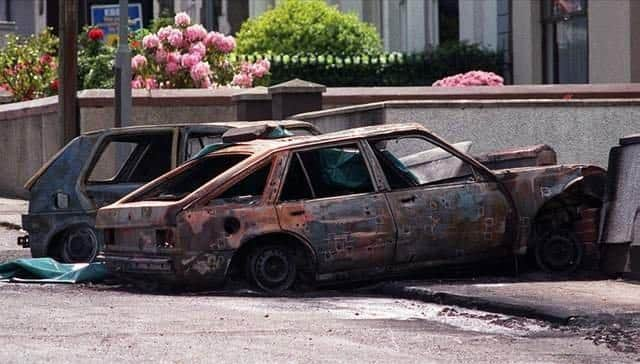

Dismissing a challenge to the inquest verdict, Lady Chief Justice Dame Siobhan Keegan said the SAS member who opened fire, Soldier B, had responded proportionately in a lethal situation.
“Mr Doris was part of the threat to life in this fast moving situation,” she stated.
“It would be absurd to disaggregate the driver from the other men in this case, all active members of the Provisional IRA, part of a plan to murder which clearly involved an imminent threat to life which Soldier B sought to protect.”
Doris died alongside Peter Ryan and Lawrence McNally during the military operation mounted at Coagh in June 1991.
The three men, part of the IRA’s East Tyrone brigade active service unit, were intercepted in a stolen car on suspicion they intended to murder a member of the security forces.
Up to 150 rounds were discharged during the hail of gunfire in the village.
In 2024 a coroner ruled that the SAS was justified in its “reasonable and proportionate” use of lethal force.
He found the soldiers honestly believed it had been necessary in order to prevent loss of life.
A judicial review challenge was mounted against the coroner’s verdict by relatives of Doris, alleging the circumstances breached the Article 2 right to life under European law.
Their lawyers claimed he had been wrongly “executed” as the unarmed driver who did not pose the same threat as those with weapons.
The member of the specialist military unit who opened fire, Soldier B, had acted disproportionately, it was contended.
A High Court judge originally dismissed the case after endorsing the inquest verdict that the actions of Doris posed an immediate threat to life.
But lawyers for relatives of the IRA man maintained that the assessment of Soldier B’s use of force had been wrong, with any assessment of the proportionality of his decision to open fire completely inadequate.
The Court of Appeal heard Doris had been targeted as he tried to drive away from the scene.
Any threat posed by him was clearly distinguishable from that of his armed passengers, judges were told.
But Dame Siobhan, sitting with Lord Justice Colton and Mr Justice Fowler, rejected submissions that the coroner fell into legal error.
She highlighted previous determinations about Soldier B honestly believing the entire active service unit constituted a unified and immediate threat to life, responding proportionately by firing eight rounds within one or two seconds.
According to the court, he had had an honest and genuine belief that a military colleague’s life was in danger.
“The coroner’s finding that Soldier B was entitled to view the occupants of the car in the way that he did as a group of terrorists who posed a collective threat is sustainable in law,” the Lady Chief Justice held.
The coroner has applied the correct legal tests and reached a rational, well-reasoned decision.”