
Calls for men’s domestic violence refuge in Northern Ireland
A Queen's University Belfast professor has highlighted that Northern Ireland still has no domestic abuse refuge for men - and says more resources should be poured into the issue.
Professor Chérie Armour, Director of the Stress, Trauma & Related Conditions Research Centre at QUB was speaking ahead the Women's March for Men at Writers Square in Belfast yesterday.
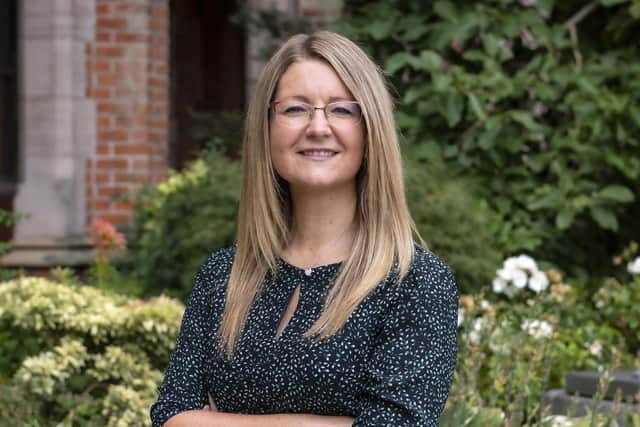

"We don’t have a reliable, up-to-date picture of how many men in Northern Ireland experience abuse from a partner," she said.
"Headline police figures combine abuse by partners with abuse by other family members, and they only capture what gets reported. Research suggests official reports may be the tip of the iceberg. "Similarly, research also suggests that men are less likely than women to report abuse."
Her study of Male Experience of Intimate Partner Violence, commissioned by the Commissioner for Victims of Crime, focused on intimate partner violence and aimed to understand why some men don’t come forward.
"Several of the men we interviewed didn’t initially recognise what was happening to them as abuse, because they thought it only counted if it was physical. Yet in our survey, psychological aggression and coercive control were the most commonly reported forms of abuse, ahead of physical assault.
"Of the men who answered our question on reporting, just over half had never told the police or other authorities, and most of those had no plans to do so. The men we interviewed who did speak up often described not being believed by friends, family or police. When abuse goes undisclosed, the true extent of the problem goes unrecognised, which makes it harder to secure funding for services. Northern Ireland still has no dedicated domestic abuse refuge for men."
Raising awareness that abuse isn’t only physical, and that men can also experience it in relationships is important first step, she added.
"GPs, police and social workers would benefit from further training in how to recognise and respond to it.”
"Men need a clearer, joined-up route to support. Up-to-date, population-wide research should also be funded, so that we can establish the true scale and nature of domestic abuse for both men and women in NI.”
Some men she interviewed said men’s and women’s organisations should work together, one stating: 'It’s not a gender issue. It’s a humanity issue'.