
Crunch time for Armed Forces Covenant in Belfast after 'undemocratic vote' controversy: Nationalists predicted to launch blocking move
It’s crunch time for the Armed Forces Covenant in Belfast, with nationalists predicted to launch a move that could block the pledges to help veterans.
As the News Letter revealed last week, the council has voted to sign up to the covenant – to the ire of nationalists, who labelled the decision “undemocratic and underhanded” while predicting it would be “called in”, sending it back for another round of debates.
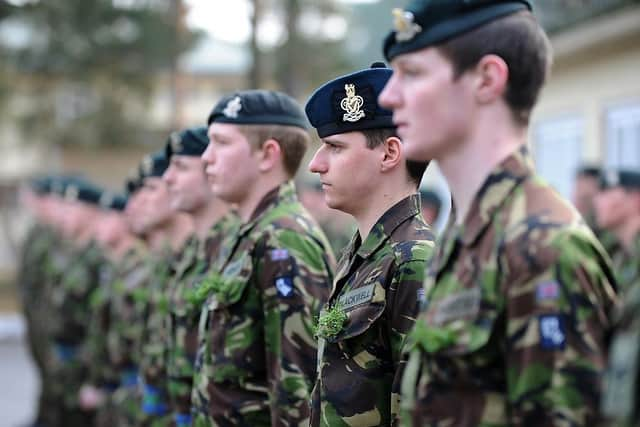

The issue is due to come up at a council meeting tomorrow night. Due to the way it was voted into policy, the decision can’t be struck down or amended at that meeting, only called in.
If no one calls it in, the council will sign up to the covenant as planned; if a call-in is lodged, however, the issue will be removed from tomorrow’s agenda and eventually brought back for more debates.

As of this afternoon, nationalists hadn’t lodged a call-in – but they’ve got until 10am tomorrow morning to do so.
The pledges caused months of disagreements between councillors in 2024 and 2025, and were eventually dropped on the strength of a single vote.
Last week Sinn Fein wanted the covenant thrown out altogether, the party’s councillor Ronan McLaughlin saying: “It’ll come as no surprise that as this has already come up to ourselves before, we will not be agreeing to this.”
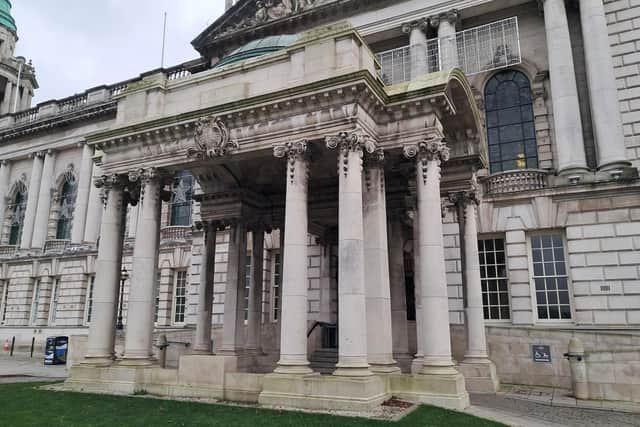
The pledges were adopted as policy on the say of the DUP, Alliance and TUV, the move winning by 10 votes in favour to eight against. That was condemned as “undemocratic” by SDLP group leader Seamas de Faoite.
He complained unionists were using the special powers of one specific committee “to try to force through a policy that has been voted down before at full council” – something he branded “ridiculous”.
A poll of all 60 politicians on Belfast Council would, he argued, result in a different outcome to the committee vote and the covenant “would have been defeated again”.
Saying he “suspects that this will be called in”, Mr de Faoite added: “This is perhaps an undemocratic and underhanded way to try and get a policy agreed.”
The DUP subsequently hit back, with party councillor James Lawlor – who launched the covenant move and is the council’s armed forces champion – arguing his opponents don’t have a leg to stand on, given nationalist enthusiasm for a policy that sees Irish signs built on city streets if just 15% of residents are in favour.
Earlier this month, that policy hit the headlines when two-thirds of an east Belfast street said they didn’t want Irish signs, while 15.66% were in favour. Nationalists wanted them put up anyway, though were defeated in that bid by a single vote; that decision is also on the agenda for tomorrow night’s council meeting, and could spark its own showdown.
Mr Lawlor last week told the News Letter: “It is fascinating that the same parties who claim 15% of residents supporting a dual-language sign is democracy now criticise a councillor for winning a straight vote, 10 to eight, at a committee that has delegated powers.”