
Protected wood: Council breaks with own planners and moves to block controversial housing project
A council has broken with its own planners by moving to block a housing development earmarked for a protected wood.
Although Ards and North Down Council has yet to issue a final decision, on Tuesday night politicians voted to say they are “minded to refuse” the scheme – meaning councillors will now draw up their official reasons for blocking it.
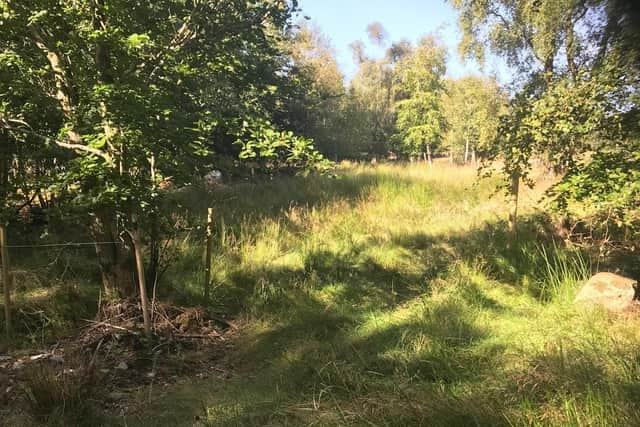

The move has been hailed as a victory for people power, as local residents had fought a determined campaign to save Tullynagardy Wood in Newtownards.
As resident Terry Lyons told the News Letter in advance of the council meeting: “Without planning permission, that wood is commercially valueless – but to us, it’s priceless.”
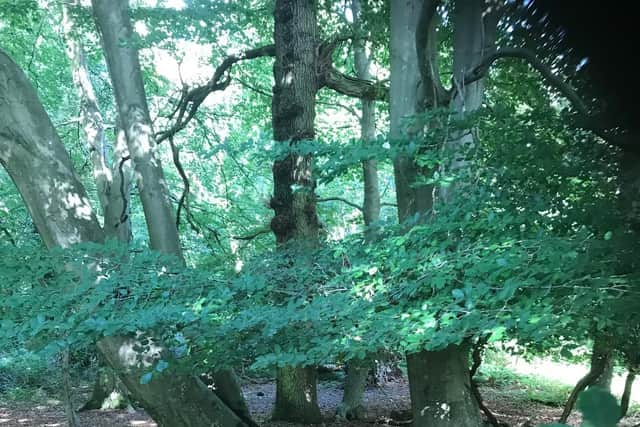
The proposed scheme would have seen more than one-third of the site turned into a suburban housing development, and was given a thumbs-up by planners.
While the final decision on planning applications lies with local councils, it’s rare for politicians to reject the conclusions of their own officials, yet after a long debate lasting close to two hours on Tuesday, that’s exactly what Ards and North Down’s planning committee did.
The scheme was to be mainly built on a clearing in the wood, and would have involved chopping down 18 trees. Planners had broadly accepted arguments on behalf of developers WJ Law that the clearing was distinct from parts of the site with heavier tree coverage and so construction could be permitted, and also that many of the trees to be felled were not in good health.
Several years ago, the council declared that it is facing a climate emergency, which brought in enhanced environmental duties and protections; planners ignored that, however, stating it isn’t planning policy and therefore doesn’t factor into their decisions.
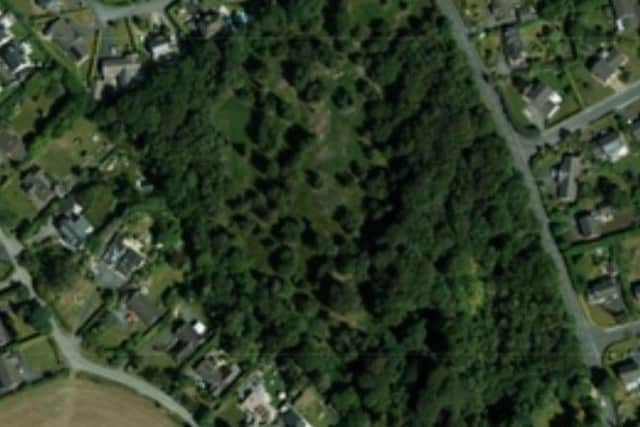
Planners also disputed that the wood counted as “open space”, which enjoys extra safeguards, and refused to accept suggestions that it is “ancient woodland”. Although surveys showed some trees on the site date back around 200 years, an official insisted: “It isn’t ancient woodland, it’s long-established woodland.”
Representing objectors, Claire Millar disagreed. She told the committee: “The site itself is on the very first Ordnance Survey map of Northern Ireland, specifically labelled as ancient woodland; it’s one parcel of land, it’s not split up.
“The fact that there are no trees on the application site does not mean it does not form part of the overall site and part of the overall ancient woodland.”
Tullynagardy Wood hasn’t been zoned for any specific use, making it ‘white land’ in planning parlance. Arguing in favour of the scheme, David Donaldson from consultants Donaldson Consulting said that while it isn’t zoned for housing, it also “didn’t warrant designation as open space”.
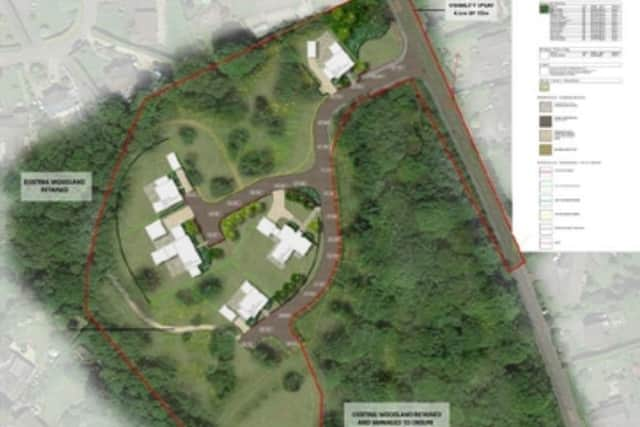
Adding that the land falls within the settlement limit of Newtownards, he pointed out that current planning legislation presumes that developments within settlements limits should go ahead unless they would cause harm. “Council officers have looked at it and their view is there is no demonstrable harm as a result of the development of 37% of the overall area,” he said.
DUP alderman Stephen McIlveen countered that it being unzoned land means the committee “can take other factors into consideration that we otherwise couldn’t”.
Mr McIlveen suggested the “minded to refuse” outcome, which was approved by 13 votes in favour to a single abstention.