
Andrew arrest: No one is above the law, say unionists, as moves continue to scrape off Northern Ireland's ties to disgraced royal
No one is above the law, unionists have said, as the UK reacted to the arrest of former prince Andrew Mountbatten-Windsor.
At the time of publication the disgraced royal was still in custody on suspicion of misconduct in a public office, during a probe into potentially serious offences that UUP leader Jon Burrows described “a concerning development”.

“I and my party strongly believe that the rule of law applies to everyone, no matter their background or position in society,” he said. “Due process must now take its course.”
The TUV expressed a similar view, with a party spokesman stating: “It is important that no one is above the law. The TUV believes Mr Mountbatten-Windsor should be treated equally with anyone else by the criminal justice system.”
Andrew has in the past strenuously denied wrongdoing.
The disgraced royal had many links to Northern Ireland; on his marriage in 1986 he became Baron Killyleagh, a new title created for him named after the Co Down village and its nearby 12th century castle.
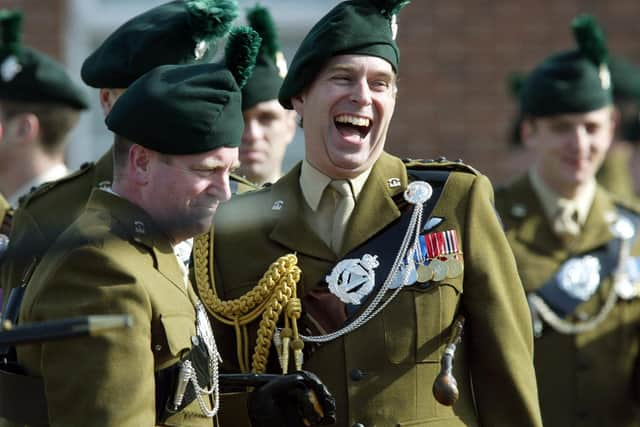
He used to be colonel-in-chief of the Royal Irish Regiment, a role that often brought him to the province for engagements such as passing-out ceremonies for new recruits. Along with his other military honours, it was stripped from him in 2022 amid attempts to publicly distance him from the monarchy during Queen Elizabeth II’s platinum jubilee year.
That same year also saw the then-Queen strip him of his honorary titles at three well-known Ulster golf clubs – Royal Portrush, Royal Belfast and Royal County Down.
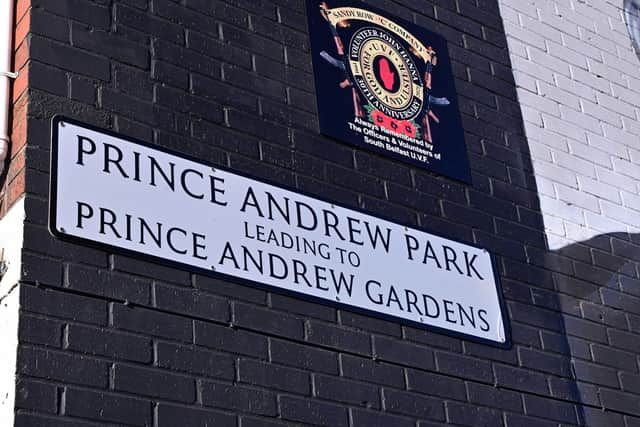
In October last year, Andrew gave up his remaining titles and honours amid the continuing Epstein scandal. Soon afterwards, calls grew to strip his name from Northern Irish streets named after the disgraced royal.
Carrickfergus is home to Prince Andrew Way, a lengthy thoroughfare that borders several housing developments and forms part of a route from the town into the countryside, while the village of Moygashel near Dungannon has residential street Prince Andrew Crescent. Belfast has two, Prince Andrew Park and Prince Andrew Gardens, which run both off Donegall Road near City Hospital.
Moves are under way in Carrickfergus and Belfast to change that, though the Belfast one is proving a difficult needle to thread due to the city’s high threshold for changing street names in the English language.