
Legal challenge to Clonoe inquest finding against the SAS killing of four IRA terrorists could be a turning point in legacy cases, says legacy campaigner
The challenge to an inquest finding that the SAS were wrong to kill four IRA terrorists could be a turning point on how the Troubles is examined, an activist in legacy speculates.
Jeff Dudgeon makes the suggestion in a long essay in Monday’s News Letter, published in the aftermath of the Ministry of Defence saying it will issue a judicial review of the recent inquest verdict by Mr Justice [Michael] Humphreys that the military was not justified in using lethal force at Clonoe in Co Tyrone in 1992.
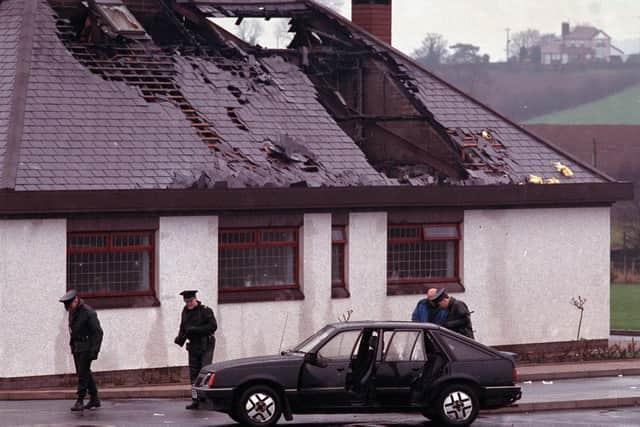

It is a highly unusual intervention by the UK government into an inquest finding, and reflects growing concern at the role of the courts in the deluge of legacy investigations into – and findings against – the security forces for their role in tackling the terrorism in Northern Ireland from the 1960s to 1990s.
The coroner’s ruling last month, and his forwarding of files to prosecutors on the Clonoe case, sparked uproar among unionists and Tories in Stormont and Westminster, and even led to Labour Party ministers in parliament acknowledging the anger of MPs and peers.
News of the legal challenge was revealed on Friday night by the Conservative MP James Cartlidge, who is shadow secretary of state for defence, when he shared correspondence between himself and the Labour government’s Minister for Veterans, Alistair Carns.
In his 3,000-word essay on Clonoe, Mr Dudgeon identifies what he says are flaws in the Humphreys findings.
Mr Dudgeon, who runs a group of volunteers in the Malone House Group who campaign against what they say is the imbalance against state forces in legacy investigations, writes: “Could these judicial reviews be the turning point for Hilary Benn and the Labour government? This far and no further in concession to legacy lawfare against the state.”
He also highlights concerns that courts in the province are the helm of a legacy imbalance, writing: “It is time to begin to curb the separatist judicial power exercised by so many Northern Ireland judges in our semi-detached jurisdiction.”
See Opinion section for our editorial on the judicial review