
National Union of Journalists to take part in a tribunal over allegations of covert surveillance against reporters
The National Union of Journalists (NUJ) has been given the green light to take part in a tribunal hearing over allegations of covert surveillance against two investigative reporters in Northern Ireland by the police.
The Investigatory Powers Tribunal (IPT) is due to hold a four-day hearing in the case brought by Northern Ireland-based filmmakers Barry McCaffrey and Trevor Birney in October over the claims.
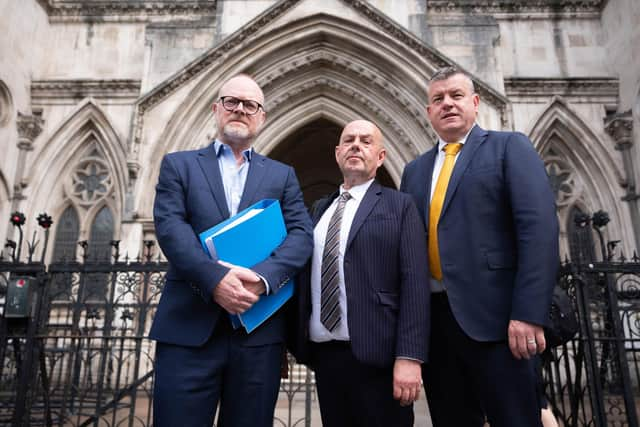

In 2018, Mr McCaffrey and Mr Birney were controversially arrested as part of a police investigation into the alleged leaking of a confidential document that appeared in a film they made on a Troubles massacre.
Former PSNI chief constable Simon Byrne later unreservedly apologised for how the men had been treated and the PSNI agreed to pay £875,000 in damages to the journalists and the film company behind the documentary.
In 2019, the pair lodged a complaint with the IPT asking it to establish whether there had been any unlawful surveillance of them.
At a preliminary hearing yesterday, the tribunal heard a bid from lawyers for the NUJ to take part in the upcoming substantive hearing.
Ahead of the hearing, Seamus Dooley, the union's assistant general secretary, said the bid was made over “serious revelations which have caused such grave concern to our members”.
Brenda Campbell KC, for the NUJ, told the tribunal in London that the case “raises wider issues of public importance” and that the union could add aspects “distinct and of additional value” to the hearing.
She said: “There has been well-founded concern amongst investigative journalists, the Northern Irish public and spreading to the wider public about unlawful surveillance of journalists.”
The barrister said that if the protection of journalists' sources became “porous”, then “who would risk being a source in those circumstances?”.
Lord Justice Singh, Lady Carmichael and senior barrister Stephen Shaw KC said the union could put in written submissions of up to 25 pages.
Lord Justice Singh said: “We have considered that the appropriate and proportionate course would be to grant the application by the NUJ to intervene in this case but only in writing.”