
Slemish College pupils build global friendships with Ukrainian classmates through UK-Ukraine Schools Partnership

Pupils at Slemish College in Ballymena are strengthening friendships with Ukrainian classmates through the UK-Ukraine School Partnerships programme – four years on from Russia’s full-scale invasion of Ukraine.
The school is one of 130 across the UK and Ukraine participating in the programme, delivered by the British Council and funded by the UK Government.
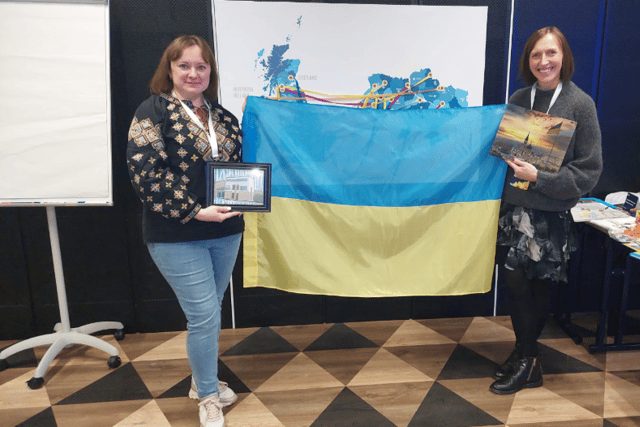

Year 10 pupils are collaborating with Pokotylivka Lyceum No. 2 in the city of Kharkiv. Together, they are taking part in shared reading, online lessons and creative projects designed to develop empathy, resilience and global awareness.
The project features live-streamed workshops, discussions, and creative activities and will continue with further live sessions and cultural exchanges, giving pupils the chance to share stories, traditions, and experiences from their respective countries.
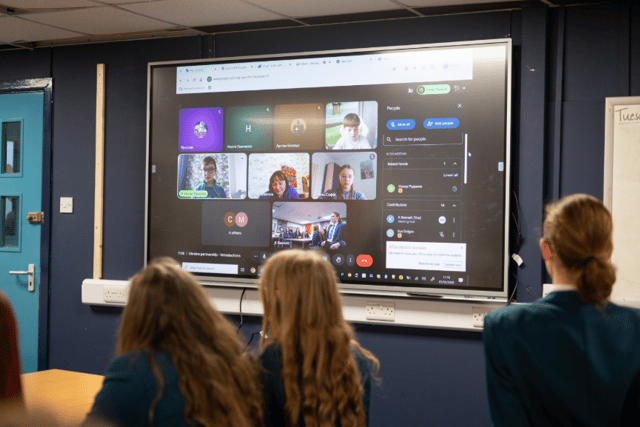
Kathy Bennett, who is Head of English at Slemish College, said: “One of our core values is kindness and community. We’ve been fortunate to welcome pupils from many different countries, including Ukrainian students and in the past four years, around ten Ukrainian students have joined our school.
"Having taught and worked with some of these students over the last few years, I felt that whenever this opportunity came up, that it was a great way to celebrate our own students and to increase awareness of what’s happening in Ukraine. While there’s lots of information in the news, it often gets lost amid all the other noise they hear.
“And as an English teacher and coordinator of the school library with our fantastic librarian, I also saw that the programme’s reading focus provided a positive way for the pupils to engage with the project.”
The Ukrainian partner school, Pokotylivka Lyceum No. 2, is based close to Ukraine’s eastern border. Due to ongoing conflict in the area, all pupils are currently learning online, with lessons conducted remotely. While some schools attempt limited face-to-face classes, safety concerns mean that most secondary students in the area continue their education virtually.
Kathy said: “All of their secondary students are now learning entirely online, which brings its own challenges. Some primary schools in the region are still able to offer limited face-to-face lessons, but even then, children often have to take shelter in basements for hours during air raid alerts before returning to class. Hearing about this firsthand was a real eye-opener for me.
“There’s still ongoing conflict in the area, and many of the staff have husbands, brothers, or sons involved in the fighting. The danger is very real and part of daily life for everyone there. Understanding this has made our own pupils really appreciate the resilience of their Ukrainian peers and the importance of the connection we are building through this project.”
She concluded: “The Ukrainian pupils at Slemish have also been very excited to be involved, and it’s been wonderful to see the buzz in the classroom as they share their experiences and make connections with other students. They’ve been exploring where each other lives and reflecting on what home means to them, while our other pupils feel proud to support these links. I hope these connections develop into a lasting partnership.”
Colm McGivern, Director of British Council Northern Ireland, who previously served as Director of the British Council Ukraine, said: “Through the UK-Ukraine School Partnerships programme, the British Council is proud to support schools in building sustained and meaningful international relationships. Having seen the impact of this scheme in both Ukraine and here in Northern Ireland, it’s clear that the benefits are mutual. Pupils here broaden their perspectives through direct collaboration, while students in Ukraine continue to participate in shared learning, cultural exchange, and international dialogue despite the disruption they are experiencing.
“These partnerships are built on genuine exchange rather than one-way support, ensuring that both schools contribute, learn and grow together. Education is one of the most powerful ways to foster understanding, peace and security, and the British Council is proud to support schools in building these meaningful international connections.”