
Ben Lowry: When men like Alan McQuillan and Ed Moloney die, a lot of information on the Troubles goes with them to the grave
This week I was at the funeral of Alan McQuillan, the former assistant chief constable of the PSNI.
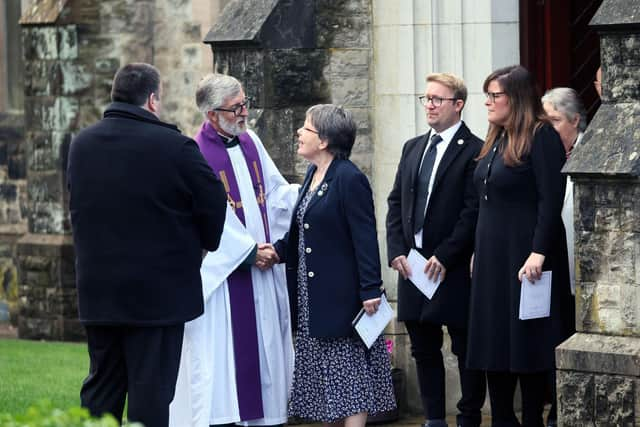

It is almost 25 years since I first phoned him as a junior reporter, and I spoke to him more than a few times thereafter. I never knew him well, but found him invariably friendly on the phone, and I remember that he sounded upbeat even after his cancer diagnosis, and that he said I was welcome to continue to phone him. I did not do so because he had made public the fact that the diagnosis was terminal, and it did not seem appropriate to be picking his brain about things – in the event I was happy to see that he lived for another four years.
Mr McQuillan’s Assets Recovery Agency was disbanded, I fear, because it was so effective.
When anyone dies, a vast mountain of memory goes with them. Again and again I want to ask my parents things, who died three years ago.
When people such as Mr McQuillan, and that hugely important Troubles author Ed Moloney, die (Mr Moloney died last weekend) they take with them masses of information on the Troubles. This is not due to any secrecy, but due to the fact that even journalists who write thousands of words a week, hundreds of thousands over a career, cannot possibly record all the information in their head.
Ben Lowry (@Benlowry2) is News Letter editor