
Houston McKelvey: Northern Ireland achieved the only inter-denominational RE core curriculum in Europe backed by churches and schools - I have Godly hope that we can get an acceptable approach to RE now
The Supreme Court judgment on religious education and worship practice in schools last week certainly produced massive response in local media, most of which was fair comment and indicated genuine attempts at resolving the pressing impasse.
History. How did we come to the current situation? Warning – there are shelf loads of theses on this, including one by yours truly, burdening our local universities.
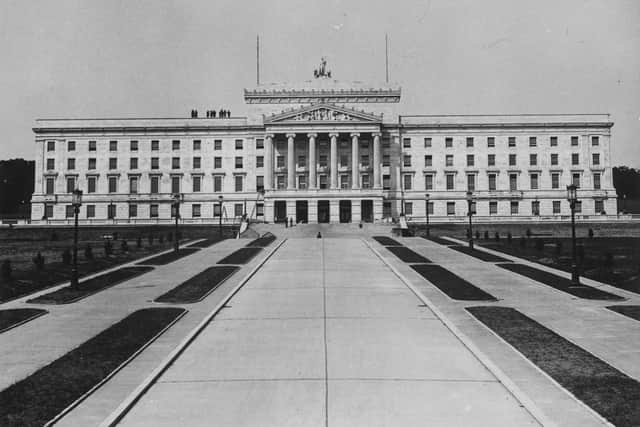

Let us start in the second world war period. A Church of England archbishop and a Tory church warden politician had common concern about UK children's education after the war. William Temple and ‘Rab’ Butler were driving forces behind the 1944 education act. The unionist government at Stormont had the understandable approach of letting the rest of the UK proceed, watch how the policy fared and made changes it believed was for its betterment in Northern Ireland. It did save this area from several ill-fated policies.
The 1944 education act was the thrust to the most major act of education in the Northern Ireland parliament. In 1947, it introduced the population to university and higher education opportunities much more than ever before.
It also encouraged more schools, owned principally by the Church of Ireland, Presbyterian and Methodist churches, to transfer their properties to the local education authorities (mainly county education committees!) and the three churches were to have not less than 50 per cent of the school management committee membership, and likewise of the county committees. The county allocation was never met by the unionist party and was a cause of some understandable resentment.
To their credit the Transferror Protestant churches later stepped back from the not less than 50 per cent on local school management committees to fast forward the appointment of a teacher representative in every school. The challenge of direct rule ministers also brought closer to NI a few of the seismic changes in England and Wales. One such was the review of the common curriculum whereby working parties were appointed for each subject and future directions assessed. This approach was to be introduced in NI. RE teachers approached the churches here with concern that the subject could be minimised in esteem and practice if it were to be omitted from the process which was affecting all other teachers and subjects. They foresaw the subject withering and dying.
At this time, representatives of the three Transferror churches were meeting regularly. Indeed, it was a major highlight in my long stint as full-time staff member of my church’s board of education. Amongst them were Dr Bob Rodgers, former principal of Stranmillis College; John Frost, former principal of Sullivan Upper school; Dr Billy McAllister vice-principal and RE teacher at Methodist College, and clergy like assistant clerk of the Presbyterian Church Rev Derek Poots, all well experienced in area education board business.
We met regularly with senior Roman Catholic clergy with similar concern about curriculum revision. This led to a joint delegation to meet Belfast-born direct rule minister for education Dr Brian Mawhinney. Also present among others were Church of Ireland archbishop Dr Robin Eames and my fellow Milk Cup football fellow chaplain Roman Catholic bishop Rev Tony Farquhar. To my suggestion to the minister that he should ask the churches to promote a common curriculum in RE, the minister retorted: “They would never wear that”, to which I replied, “Well you could put it in their courts and see”. He gave me a look as much as you will regret that. I knew we had made our case.
Under the guidance of Bob Rodgers and Father Albert McNally the improbable became possible. Roman Catholic Maintained, Controlled and Integrated practitioners in religious education wrestled hard, working countless hours, but they delivered the impossible - the only inter-denominational RE core curriculum in Europe, perhaps anywhere, which had support of churches, schools, teachers and management.
Having read the initial but extensive reports in media, I am filled with Godly hope that the same bodies could competently achieve a professional, acceptable approach to RE and common worship to make a prime spiritual contribution to shape the future for our children and those still unborn. There is much to be optimistic about: Church of Ireland/Roman Catholic bishops in Londonderry are in play; contribution of the lady deputy to the Transferrors' body is spot on, and comments of politicians so far are sensitively spoken.
May God bless them all and take this court judgment as foundation of another historic and pioneer period of informed spirituality in our Northern Ireland schools.
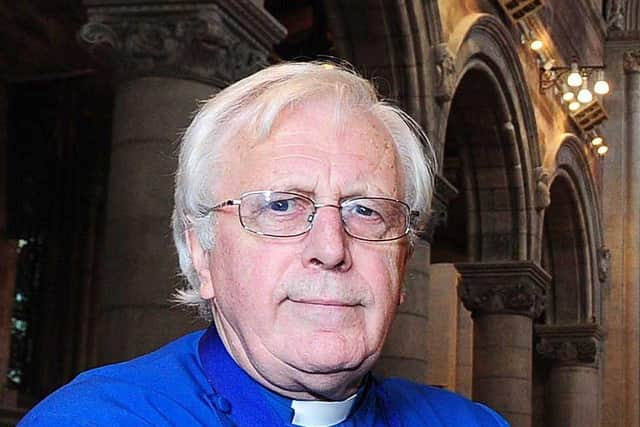
• The Very Rev Dr Houston McKelvey is former Dean of St Anne’s Cathedral, before which he was secretary to the Church of Ireland general synod board of education (Northern Ireland)