
Letter: Physical punishment of children has no place in today’s society - the Northern Ireland Assembly must act now to remove outdated law
A letter from Caroline Cunningham:
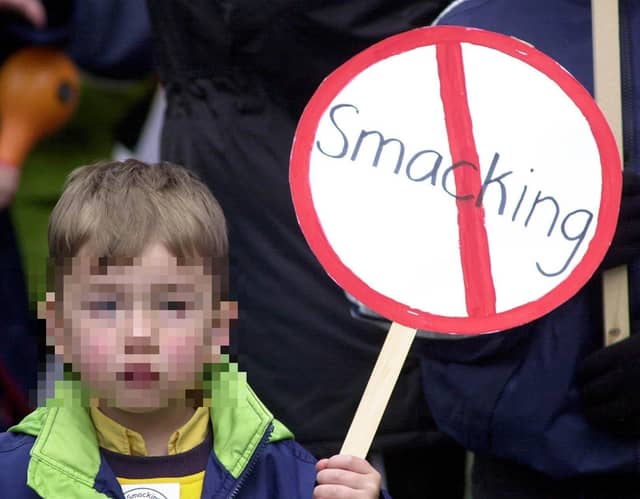

I want to address several points raised in a recent article by Dr Esmond Birnie published by the News Letter (Why a bid to ban smacking would be harmful legislation, April 22) opposing the removal of the ‘reasonable punishment’ of children defence in law and to reinforce why children in Northern Ireland deserve the same protection from assault as adults.
While some argue that physical punishment causes no significant harm, the evidence shows otherwise. Physical punishment is associated with increased childhood aggression, antisocial behaviour and negative emotional and mental health.
In 2024/25, neglect and physical abuse were the main reasons for a child being on the Child Protection Register in NI (84%). Research published by the Royal College of Paediatrics and Child Health (RCPCH) in 2024 outlined that children who were physically punished were 2.3 times more likely to go on to be physically abused.
I strongly disagree with Dr Birnie’s assessment that this amendment to the law would “create ambiguity” and be “a major change”. No new offence would be created, simply the removal of the defence of ‘reasonable chastisement’.
The RCPCH has stated that removing the defence will help practitioners to make a distinction between whether a child has suffered at the hands of a parent who had a momentary loss of control versus a child who is experiencing abuse. Reform would bring clarity for parents, carers and professionals.
Research on public support for reform also shows a different picture to the one Dr Birnie suggests. Across a 25-year period in Northern Ireland, a survey question was repeated five times by a range of organisations, asking the public about acceptable forms of punishment or discipline.
In 2000, 50% of parents surveyed said physical punishment was acceptable. In December 2025, this percentage fell to 8%. The message is clear – parents do not want to use physical punishment, and the law needs to reflect this.
The Department of Health’s revised Healthy Child Healthy Future policy published in 2025 also states that parents should be supported to manage their children’s behaviour through positive parenting. It cites the calls for change in England and Northern Ireland, in light of the “well documented effects of such practice on the physical and emotional wellbeing of the child and the impact on parent-child relationships”. Practice is advancing before the law and removing of the defence of reasonable punishment is the next logical step.
Dr Birnie raises the issue of the potential cost of changing the law, but we would contest that with public finances stretched, prevention is far more cost effective. A report commissioned by the NI Executive Early Intervention Transformation Programme found the annual short-run cost to the public sector of late intervention to support children and families was £536 million per year.
I also strongly refute that there is a lack of assessment in our campaign to change the law on outcomes from the law change in Wales and Scotland. The Welsh government recently published its first implementation report indicating that it is working as intended, with better protection of children, more public awareness and shifting attitudes away from physical punishment and towards positive parenting techniques.
Experts in Scotland have agreed that the law is carrying out its function as it should, with no mass criminalisation of well-meaning parents and prosecutions typically involving repeated conduct, injury, clear excess force or frequency.
I hope this clarifies NSPCC Northern Ireland’s position that physical punishment of children has no place in today’s society. The NI Assembly must act now to remove this outdated law and join the 70 countries across the world that have already sent the message that the protection of children matters.
Caroline Cunningham, Policy and public affairs manager, NSPCC Northern Ireland