
Mary Poppins: Classic 1964 film starring Dame Julie Andrews and Dick Van Dyke is given new PG rating because of 'discriminatory language'


Mary Poppins' age rating has been raised from U to PG by the British Board of Film Classification (BBFC) almost 60 years after its release.
The age rating was changed because of "discriminatory language," the BBFC said.
The 1964 film, starring Dame Julie Andrews and Dick Van Dyke, uses the colonial term Hottentots, a derogatory word historically used by white Europeans to refer to the Khoikhoi people in South Africa.
Actor Reginald Owen's character, Admiral Boom, uses the term twice in the film, once when he asked one of the children, Michael, if he was going on an adventure to "defeat Hottentots".
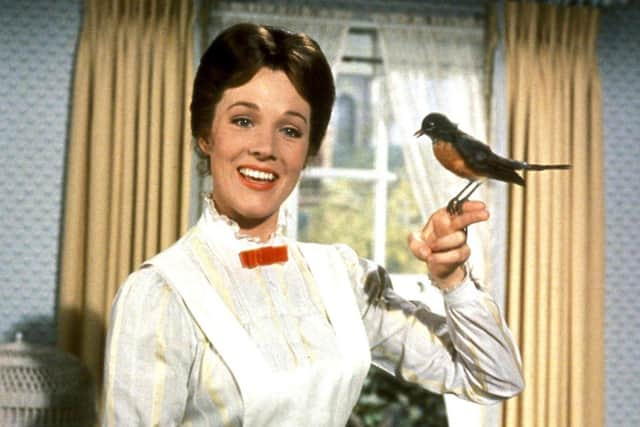
Later, when chimney sweeps with soot-covered faces are spotted by the admiral, he shouts: "We're being attacked by Hottentots", before launching fireworks in their direction.
The BBFC told the PA news agency: "While Mary Poppins has a historical context, the use of discriminatory language is not condemned, and ultimately exceeds our guidelines for acceptable language at U.
"We therefore classified the film PG for discriminatory language."
The film has been classified as containing "some scenes (that) may be unsuitable for young children".
The BBFC added: "We understand from our racism and discrimination research ... that a key concern for ... parents is the potential to expose children to discriminatory language or behaviour which they may find distressing or repeat without realising the potential offence.
"Content with immediate and clear condemnation is more likely to receive a lower rating."
Pixar's Ratatouille was reclassified by the BBFC from a U to a PG rating due to instances of "comic violence" and "mild bad language".
Brad Pitt's Fight Club was downgraded from an 18 rating to 15 despite its portrayal of "sequences of graphic and brutal violence".
BBFC ensures its compliance officers always classify content in line with its classification guidelines, which means "older content may require a higher or lower age rating".