
Assisted dying bill will pass the House of Lords, vows Falconer
It is not the end of the road for the assisted dying bill – despite “filibustering” by some peers, its backer in the Lords has said.
With the clock ticking, opponents of the draft law have been accused of trying to “talk out” the contentious legislation as it makes its way through the Lords.
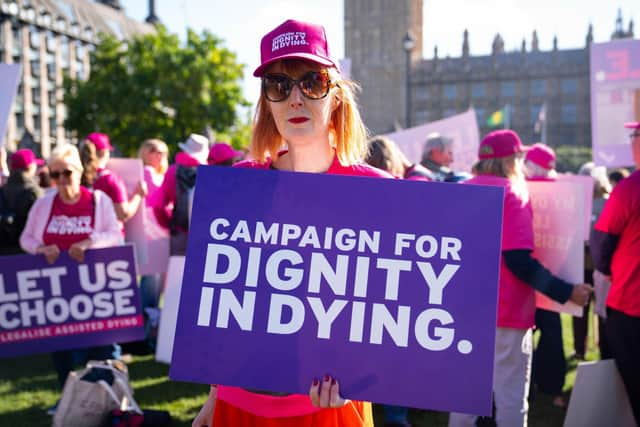

However, many in the upper chamber insist they are simply doing their job of scrutinising a bill, which they argue is not safe in its current form and needs to be strengthened.
The Terminally Ill Adults (End of Life) Bill will fall if it does not complete all its parliamentary stages before the end of the current session in May.
Lord Falconer described the current situation as a “tragedy”, but told the Press Association he is confident the bill will be able to progress by invoking a rare parliamentary procedure.
The Parliament Act allows for bills backed by the Commons in two successive sessions, but rejected by peers, to pass into law without Lords approval.
Only seven bills have overridden the Lords using the powers under section 2 of the law, including the Hunting Act 2004.
If passed, the bill would allow adults with terminal illnesses in England and Wales who have less than six months to live to apply for an assisted death.
It was voted through by MPs in the Commons in June last year, by a majority of 24.
Speaking to PA, Lord Falconer said: “The Lords prides itself on focusing on the things that matter and that most certainly is not what's been going on here.
“The tragedy is that a small number of people in the Lords are blocking a bill that has passed in the Commons.”
The Labour former minister suggested peers should be taking note of decisions made by elected chambers, including Jersey's States Assembly which passed its draft Assisted Dying Law yesterday.
This follows the passage of legislation in the Isle of Man, where the Tynwald became the first parliament in the British Isles to agree a framework for assisted dying in March last year.
“You've got the Commons, the Jersey parliament, and the Isle of Man parliament all passing it, and it's the Lords that are blocking it in England and Wales,” he said.
“I'm all for the Lords if they want to vote and change the bill – change it, but then send it back to the Commons.”
He went on to say: “It's not the end of the road, because the Parliament Act allows it to go through to the next session, and I'm sure that is what will happen.”
Labour peer Baroness Berger called on supporters of the bill to “stop their continued attacks on the members of the House of Lords when all the evidence shows we have been engaging in the serious work of trying to fix the issues in the bill”.
“It does a disservice to the House of Lords and they should spend their time on engaging with the massive problems with this bill rather than blaming peers for doing our job,” she told PA.
The former MP for Liverpool Wavertree continued: “The truth is this bill entered the Lords in a terrible state, deeply flawed with swathes of issues of serious concern raised by experts such as the Royal colleges, professional groups and advocacy organisations.
“Not a single one of those groups would say this Bill is safe.”
Dame Esther Rantzen, one of the bill's highest profile supporters, accused some peers of “blatant sabotage” when speaking to Sky News yesterday.