
'Being prepared is not alarmist' - UUP boss calls for Executive to have plans in place for fuel shortages
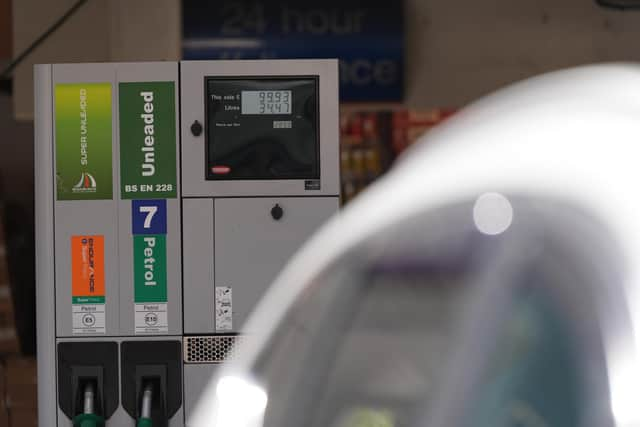
The Executive has been urged to get plans in place to deal with potential disruption to fuel supplies as a result of the war in Iran, with the UUP calling for civil contingencies plans to be drawn up.
Jon Burrows has written to the First Minister and deputy First Minister calling for the commencement of emergency planning – warning that Northern Ireland can’t afford a “delayed reaction” from Stormont.

It comes as the government cites the US-Israel conflict as a reason for seeking stronger ties with Brussels. The Prime Minister says the “volatile” international situation caused by the war with Tehran meant Britain’s “long-term national interest requires closer partnership with our allies in Europe and with the European Union”.
Sir Keir Starmer says there will be a “long-term plan” for the United Kingdom to emerge a “stronger and more secure nation” amid widespread concerns about the impact of the crisis on the cost of living.
Reacting to local concerns, the UUP leader says plans must be in place now for a scenario in which fuel has to be rationed.
“There has been considerable concern in recent days regarding the potential of fuel shortages in Northern Ireland. On Monday, I wrote directly to the First Minister and Deputy First Minister, urging them to initiate civil contingency planning to address any disruption that could affect individuals and communities across the province.
“Where there is a foreseeable risk with serious consequences, leadership requires early and decisive action, not delayed reaction. That is the purpose of civil contingencies.
“Being prepared is not alarmist; it is responsible governance”, Mr Burrows said.
The North Antrim MLA says emergency services and critical infrastructure workers must be prioritised, and planning must take place now, rather than in the midst of a crisis.
“It is far better to prepare for potential scenarios than to respond without a plan. Effective planning requires careful consideration of possible scenarios and the development of clear, practical contingencies that can be implemented without delay.
“Too often, our political system is characterised by reactive decision-making. This is a moment to act with foresight and responsibility. We must be proactive, not passive”, he said.