
Council suggests charging people to object to planning applications: Stormont fees don't go far enough, say officials
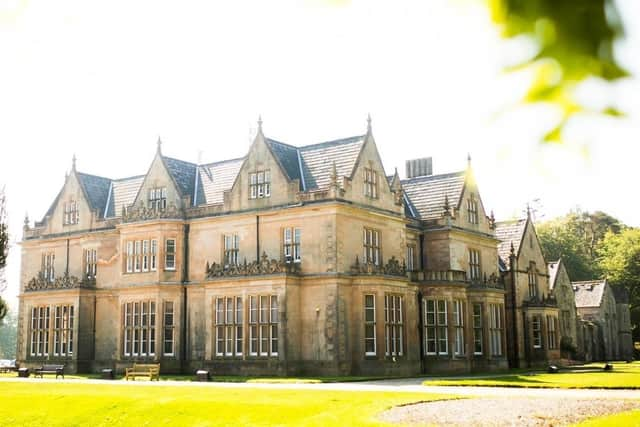
A council has suggested forcing people to pay up if they want to object to planning applications in their area – and asked Stormont if that could go provincewide.
Ards and North Down Council officials floated the idea in their response to an Assembly department this month, also suggesting bringing in fees for anyone who wants to get trees officially protected.

One councillor in the area, Alliance’s Patricia Morgan, eyed the moves warily, arguing people objecting to developments they think could be bad for their area is “part of the democratic process”.
Council officials put the ideas down in a message to the Department for Infrastructure (DfI), which is currently thinking of bringing in fees for some parts of the planning process.
The DFI’s proposed payments apply to making “non-material” changes to a property that already has permission to build, and scrapping certain conditions imposed when permission was granted. Those aren’t especially common, with the latter mostly coming into play for property developers constructing large-scale projects.
Officials at Ards and North Down Council think the DfI’s ideas don’t go far enough, however; they recommend also charging everyone who applies for a Tree Protection Order, and ask the department to consider adding fees for submitting objections to planning applications.
Making anyone who objects to something their neighbour or a developer wants to build in their area pay up for the privilege, planning officials argue, would cut waiting lists and speed up the time it takes to process applications.
Any development that gets six or more objections has to be debated by Ards and North Down politicians, which can mean developers and members of the public arguing for and against projects in front of a council committee. Officials think charging people to object would mean fewer applications reach that threshold.
“Often processing of applications is delayed due to volume of representations received,” they state, adding the committee sometimes has to debate “innocuous proposals which could not possibly materially affect the full gambit of objectors” due to the threshold.
They also state requests for Tree Protection Orders and applications to carry out work on protected trees take up considerable administrative and technical resources, and “should be charged accordingly”.
Officials are striking a different tune in some other areas, where the DfI’s new charges are also being evaluated. In Belfast, for example, council planners argue applications for work on protected trees should be exempt from fees, as the cost could put owners off “necessary tree maintenance works”.
Ards and North Down officials put their views on extra charges to council politicians this month, with one senior planner predicting tree protection fees could come to “a few hundred [pounds]”.
That raised the ire of Green Party councillor Lauren Kendall, who pointed out the council is “trying to promote the retention of trees, especially some of our long-established trees, and working with residents to involve them and protect their heritage”.
She also thought if charges to trim or cut down trees are applied, owners won’t bother applying for permission and will simply fell them – leaving it up to “the usual community spies” to report the issue and call in the council’s enforcement team.
Politicians voted to send officials’ fee ideas to the DfI in full, though councillors Morgan and Kendall didn’t back doing so.