
Red tape ties up UDR memorial bench
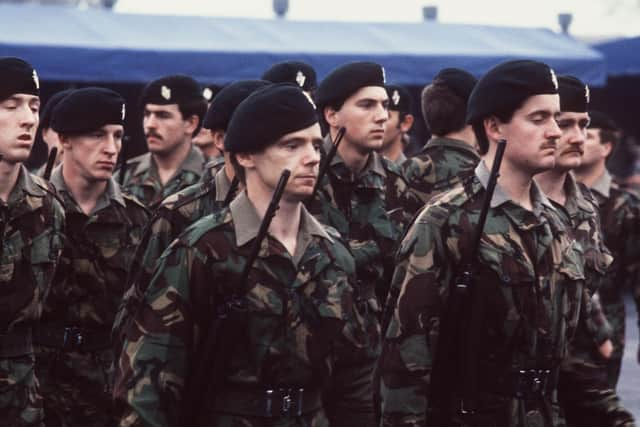
Red tape has tied up plans to build a solemn memorial to the Ulster Defence Regiment (UDR) in Bangor.
Earlier this year the district’s council agreed to recognise the service and sacrifice of service men and women of the mostly volunteer infantry regiment during the Troubles.

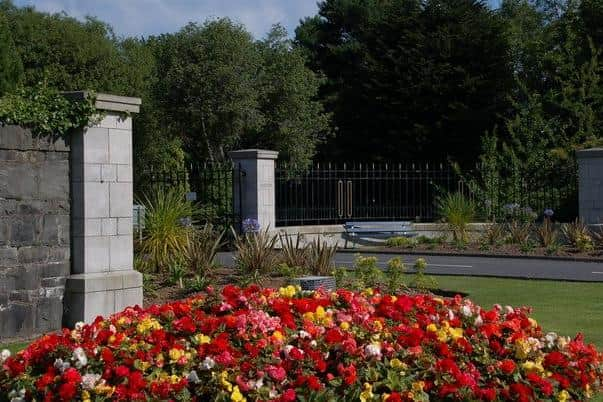
The idea was to build a permanent memorial in the largest burial ground in the Co Down seaside city, Clandeboye Cemetery. The bench would, stated politicians, provide a dignified place for remembrance and reflection for families, veterans and members of the wider community.
But it now turns out that Ards and North Down Council’s system for building such memorials means it can’t go ahead any time soon.
The council has a policy of only approving 20 benches across the entire district every year, and applications start being approved in April.
The quota has reportedly caused a backlog of bereaved relatives, who in some cases wait years for memorials to their loved ones.
Even though the move to create the UDR bench came directly from the council itself, officials now say it would have to go through the normal application process – and there’s no way for anyone on the civic authority to get around its limits.
The 20-bench annual quota was imposed to “ensure consistency, fairness, and the sustainable management of council assets and open spaces”, officials state in a report on the issue.
Add officials: "The current memorial bench policy does not provide for individual benches to be allocated outside the established application process.
“[Officials] are therefore required to administer all applications in accordance with the approved policy to ensure equitable treatment of applicants.”
Breaking with the system and its strict limits in the case of the UDR bench would create a precedent for future requests to skip the application process, they argue, and could risk the council being accused of running its own policies in an unfair or inconsistent manner.
The report, which is due to be presented to the council this week but has been seen by the News Letter, states the memorial policy is currently under review and may be rewritten early next year.
The situation with the UDR bench mirrors that of a delayed tribute to tragic teenager Jaidyn Rice, who was killed when she was hit by a car while she was walking near her home in July 2025.
City politicians this year voted to set up a memorial bench honouring her contribution to the community in the Clandeboye part of Bangor, tasking officials to work with the Rice family to create a “a place of reflection, connection and outreach” in the 16-year-old’s memory.
But due to the same policy, Jaidyn’s grieving family were told they’d have to apply for the bench themselves and go through the standard process, rather than the council helping them set it up.
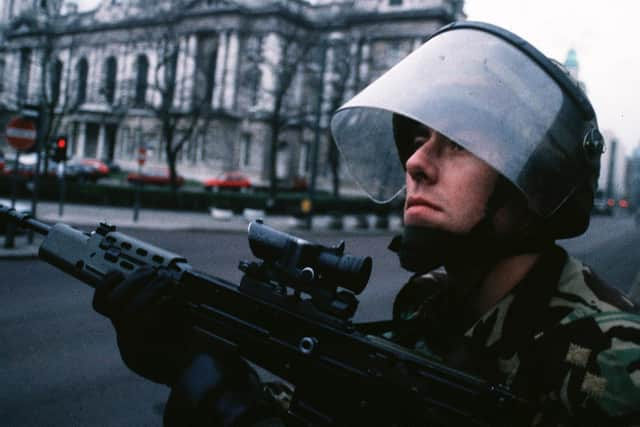
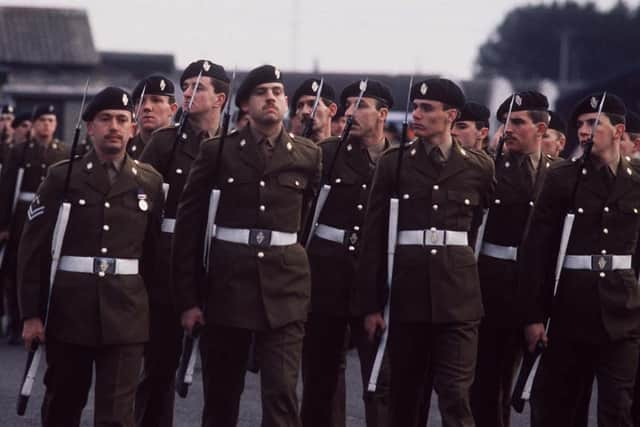
Created in 1970 as a response to the early violence of the Troubles, the UDR was mostly staffed by volunteers though some were full-time soldiers. At first an all-male regiment, in 1973 women were allowed to join.
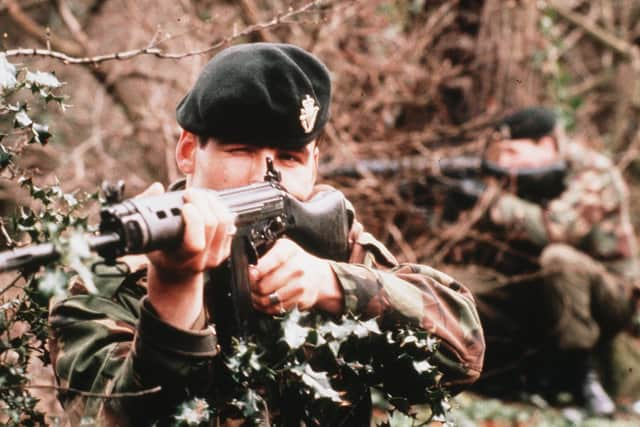
In the wake of the fall of the Berlin Wall, the UK downsized its armed forces. In 1992, the UDR was merged with the Royal Irish Rangers to form the Royal Irish Regiment, which went on to serve in Iraq and Afghanistan.