
Diana Armstrong could run on two separate tickets in expected Burrows v Butler UUP leadership race
Diana Armstrong could run for the Ulster Unionist deputy leader position with both Jon Burrows and Robbie Butler in the upcoming leadership contest, senior party sources have confirmed.
Under the current rules, the leader and deputy leader must run on a joint ticket – but it is understood there is nothing to prevent the Fermanagh and South Tyrone MLA having her name as deputy for two of the leadership hopefuls.
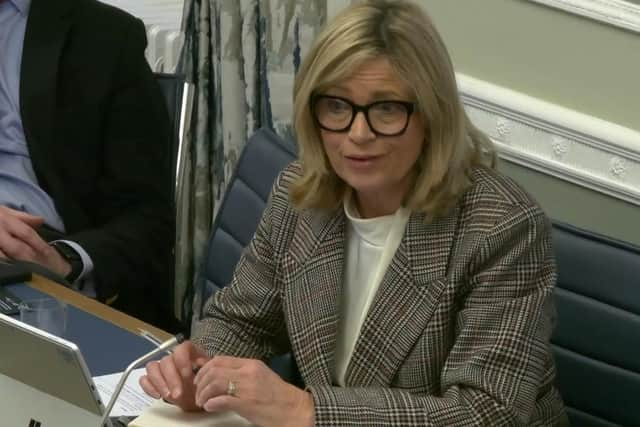

It will be for party officers to rule whether the highly unusual situation will be allowed to go ahead. Who Mrs Armstrong backs may be decided in a crunch meeting between the three MLAs ahead of any formal announcements about who is putting their hat in the ring.
There are concerns within the party about the optics of such a scenario, with a potential deputy female leader having to defer to two male colleagues on issues which may arise during the campaign.
Backers of the move argue that it would be done largely in the interests of party unity.
Mrs Armstrong has not commented on any leadership ambitions – and may choose ultimately to back one candidate over another.
It is unclear whether her Fermanagh and South Tyrone constituency – traditionally seen as conservative – is in favour of Mr Burrows to take over from Mike Nesbitt. However, if she chose the newcomer over current deputy leader Robbie Butler, it may cause friction within the party’s MLA group at Stormont.
Most assembly members are believed to support Mr Butler, while it is widely accepted that the party membership leans in favour of Mr Burrows.
Neither man has formally put their hat in the ring, but any suggestion of a joint ticket between the pair appears to be dead – with attention now focusing on which, if any, candidate the Fermanagh South Tyrone MLA is willing to join forces with.
In the event of a contest, the party’s sole female assembly member is understood to be the favoured running mate for both Mr Burrows and Mr Butler, but she has so far given no indication of her intentions.
Mrs Armstrong’s rural constituency is the UUP’s largest in terms of membership, which brings an added incentive to secure her endorsement as it is party members who will have the final say – and her decision may sway many within that grouping.
Candidates will need to secure a certain number of signatures from nine constituency associations across Northern Ireland to make the final ballot, and will have to have their nomination papers with party headquarters by January 15.
It remains unclear what format a leadership election would take – and whether there would be any public debate between the candidates. However, it is the intention of the party to have the process concluded and a new leader in place within four to six weeks – should there be a contest.
There appears to be little of substance between Robbie Butler and Jon Burrows in terms of the general direction of the party. Both have indicated support for a pluralist, confident unionism and their commitment to the institutions at Stormont.
However, Mr Butler’s camp are concerned that he will be framed by Mr Burrows’ supporters as the liberal candidate – saying that there is little between the pair in terms of policy, but that label would alienate many of the traditionalist grassroots.
Supporters of Mr Burrows argue that the contest is about leadership and decisiveness on policy – backing his combative approach in the Northern Ireland Assembly. They say that Mr Butler is indecisive on key policy issues.
However, backers of the Lagan Valley MLA claim that Mr Burrows is too combative in his style, and prefer a softer approach which they believe would attract more middle ground voters.
Mrs Armstrong is the only woman on the Ulster Unionist Party’s benches at Stormont, which had been all male until she replaced Tom Elliott after his elevation to the House of Lords. She was co-opted into the assembly after winning almost 40% of the vote in the 2024 general election, losing out to Sinn Fein’s Pat Cullen.
She has previously said that there are many women “behind the scenes who do really important jobs” in the party, adding: “When the opportunity arises, and I hope it does in future years, that there will be places for those women to step forward and to represent.”
On Friday, Mike Nesbitt stepped down as UUP leader, saying that he had completed the short-term job of getting the party “match fit for the forthcoming election campaign”.