
Elections: Reform surge shows British voters 'sick of the old order', say TUV - but warn Union 'faces challenges' from Scottish and Welsh nationalism polling strongly
Massive election gains for Reform at the expense of Labour and the Tories show voters are sick of an old political order that has failed the public, the TUV has said.
But with nationalist parties polling strongly in Scotland and Wales, the party’s chairman Allister Kyle said it’s now time Westminster “wakes up to the challenges” facing the future of the United Kingdom as a state to make a proactive case for the union.

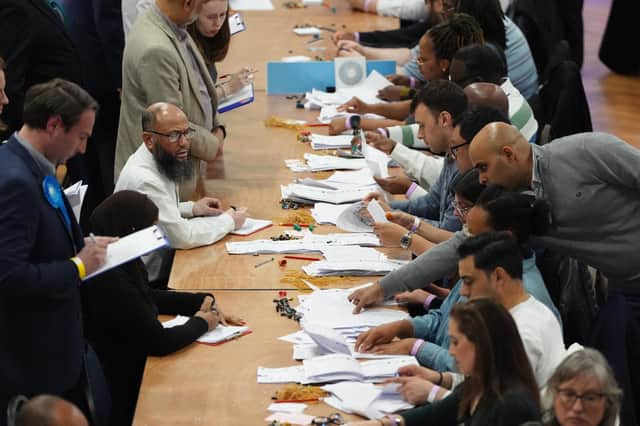
His comments came as tallies were still piling up from council elections in England and local assembly polls in Scotland and Wales, but results available as of mid-afternoon on Friday indicated a bruising time for both the Labour government and the Conservative opposition.
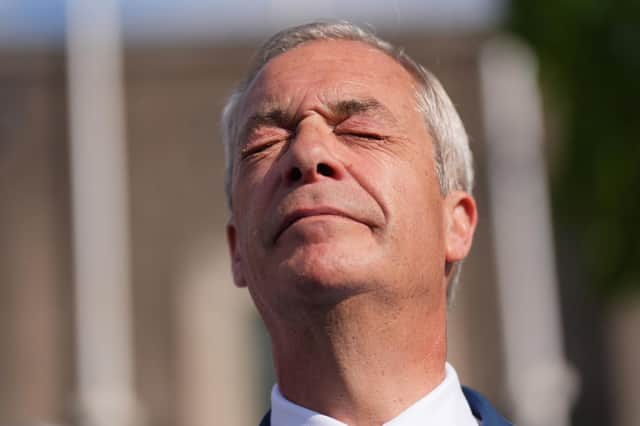
Both of the two main Westminster parties suffered hefty losses in England, with Nigel Farage’s Reform gaining hundreds of seats at their expense. The Liberal Democrats increased their numbers while the Greens also scored a sharp rise, showing that voters are increasingly splintered and appear to be turning their backs on parties that dominated the last 100 years of British politics.

Said Mr Kyle: “I welcome the upsurge in support for Reform across Great Britain. It is good to see a shake-up of the old political order which has failed the public.
“Looking ahead to the elections next year in Northern Ireland, they remind the public here that they too can deliver change through the ballot box. [Party leader] Jim Allister’s election to Westminster has put to bed the idea that a vote for the TUV is a wasted ballot and we look forward to delivering a major upset of the establishment next year.”
In Scotland, SNP leader SNP leader John Swinney said it is “becoming clear” they will “emerge as the largest party”, while Scottish Labour chief Anas Sarwar admitted they’d “lost the argument” amid “a national wave of disappointment” with Labour across the UK as a whole.
In Wales, Labour admitted defeat in the country’s devolved assembly, the Senedd, with Welsh Labour leader and first minister Eluned Morgan on track to lose her seat. Although Reform picked up the highest vote share, it was a close race between the party and Welsh nationalists Plaid Cymru.

With both the SNP and Plaid Cymru sailing high, Mr Kyle told the News Letter that rising nationalism in Scotland and Wales is “deeply concerning”.
He said: “One hopes that Westminster will at last wake up to the challenges created by nationalism and start proactively making the case for the union.
“For too long devolution has permitted local parties to simply use their assembly or local parliament seats as a platform from which to attack Westminster and manufacture a grievance culture.”
During a press conference, Northern Ireland’s first minister Michelle O’Neill said the results send “a very strong message that people are tired of the shackles of Westminster” – though deputy first minister Emma Little-Pengelly felt “a desire for change” doesn’t necessarily indicate a push for the break-up of the UK.
“I don’t think [voters want change] on the constitutional question,” the DUP MLA said. “I think this is about trying to give some others the opportunity to come in and deliver for people on core public services.”
Ulster Unionist MP Robin Swann said Labour had been elected on “a manifesto of change and hope” but failed to deliver.
“They have let down the WASPI campaigners, our farmers, our Northern Ireland veterans and victims,” he told the News Letter.
“The test will be if they have actually listened, and that will be demonstrated by what is and isn’t said in the King’s Speech on Wednesday.”