
ICRIR chief investigator gives evidence challenging 'toxic' finding from NIO report
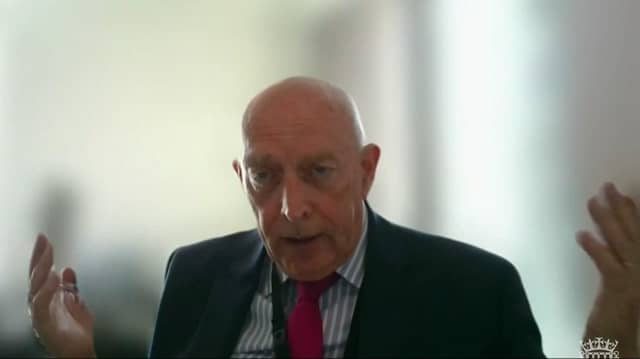

The chief investigator of Northern Ireland's legacy investigations body has given evidence which challenges official findings that its culture is "toxic".
The review was commissioned by the Northern Ireland Office following concerns about the Independent Commission for Reconciliation and Information Recovery's (ICRIR) effectiveness and culture.
Led by retired permanent secretary Peter May, he reported in May that the organisation's culture was ‘toxic’, ‘divided’ and ‘disrespectful’.
Police investigations into Troubles-related killings were shut down in 2024 under the Tory government, which passed all responsibility to the ICRIR.
However when Labour came to power in 2024, it worked in partnership with the Irish government to draft a framework of major reforms for the body.
MPs on the NIAC questioned Mr May about his report on Wednesday.
They then quizzed three ICRIR staff – Chief Commissioner Sir Declan Morgan, Commissioner for Investigations Peter Sheridan, Director of Finance and Operations Josephine Kelly and also Northern Ireland Office Chief Operating Officer, Holly Clark.
DUP MP Gavin Robinson pressed Mr Sheridan on whether he accepted the ICRIR culture is “toxic, divided, disrespectful”.
Mr Sheridan replied that the report collated only “one or two comments that people said it was toxic”.
He took “toxic” to mean “a stressful working environment” he said.
He also affirmed report findings that “clashes that happened at the senior leadership level” which he said “absolutely” could have been more respectful.
However he said that “in the world of the investigators, that's not how people saw it in the organisation” and that Sir Declan and he “heard that time and time again from staff”.
There had also been some tensions between passionate investigators and management staff constrained by budget limitations, he said.
Mr Robinson asked whether his position was therefore that the toxic, divided and disrespectful characterisation came from “one or two individuals” who spoke with Mr May.
The MP suggested “that may be how they feel, but that is different from it being the culture of the entirety of ICRIR?”
Mr Sheridan replied: “I think that's that's probably true. I think there were over a hundred people who spoke to Peter [May] in his report and many of them had more positive things to say.”
It was certainly not the experience of the 70 staff working in London and not their experience of visiting the Belfast office, he added.
Sir Declan similarly said that there were people who experienced toxic culture that “as a result of being aware of clashes between senior leaders about the way in which the organisation was conducting its work”.
Separately, Mr Sheridan said he has written eight letters to Irish authorities requesting information on 10 deaths but has “heard nothing back”.
Sir Declan also said the Irish government has been clear it will not cooperate until the UK's Legacy Bill – containing ICRIR reforms – is passed.
Mr Robinson told Ms Clark that he has been writing to the NIO "for months" about the refusal of Irish authorities to cooperate but the NIO was "never open" about what was happening.
It took a public statement from Irish Minister Helen McEntee, he said, "to bluntly assert that there would be no information sharing until a conclusion to the interstate [legal] case" that Dublin is taking against the UK over legacy. Ms Clark said she would "take that back to the department" and get back to the committee.