
Lough Neagh angler says distressed eels climbing out of water due to toxic blue green algae and lack of oxygen
A Lough Neagh angler says that dying eels are climbing out of the water to try and breathe - after the entire surface of the Lough was covered with toxic blue green algae.
Mick Hagan is an angler from Moortown on the west Shore of Lough Neagh who posts images of the pollution on the Facebook site West Shore Angling.
"I come from an eel fishing family, so technically, I should have been a Seventh Generation Eel fisherman, but there's no career there for me.
"We could see the way the stocks were declining 15 years ago so I knew it would never sustain me and my family.

"You have got a stalemate with the complete ecosystem of the Lough on the way out."
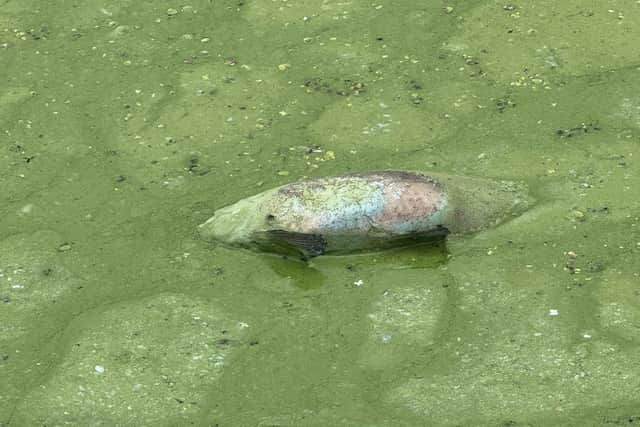
"I was speaking recently to people who were walking their dogs around the lough and they could see the young eels were coming up and lying on top of the algae."
Eels can travel over land briefly to move from one watercourse to another, he said.
"But from talking to a couple of university scientists that were on the scene, what was happening was that the oxygen levels had depleted so badly in the water that the eels were becoming distressed, and obviously were exerting themselves trying to get out, to get into open water."
He has also posted pictures of fish in general that are dying in the algae and floating to the surface.
Young eels have been found dead in the open lough away from thick algae crust, he said.
"So is that a direct result of the algae? Who knows? It probably is. There's hardly any fry now, your juvenile fish."
"Whenever the algae rises, it takes oxygen levels out of the water. The fish, they need the oxygen to survive. So obviously, whenever the lough turns completely green, the oxygen levels are depleting and you are going to have distressed fish."
Last week his friend flew over the lough on his way to Norway and saw that the entire surface of the lough was covered with a green tinge due to the algae, he said.
While parts of the lough are covered with a thick crust up to a foot thick, he says, elsewhere the algae "rises to the top and becomes like a green sheeting right across the top of the water".
This can be move to one side of the lough or the other, if the wind is blowing, he added.
When the issue first arose in 2023 he thought farming was primarily to blame.
But having attended meetings with experts since then he now understands there are many contributors, singling out NI Water, wastwater in general, domestic septic tanks, and washing machines and dishwashers.
"Everybody is involved."
Now he urges home owners to switch to phosphorus free tablets for their washing machines and dishwashers.
He notes that around 50% of NI drinking water comes from the lough, though NI Water insists it is totally safe to drink after treatment.
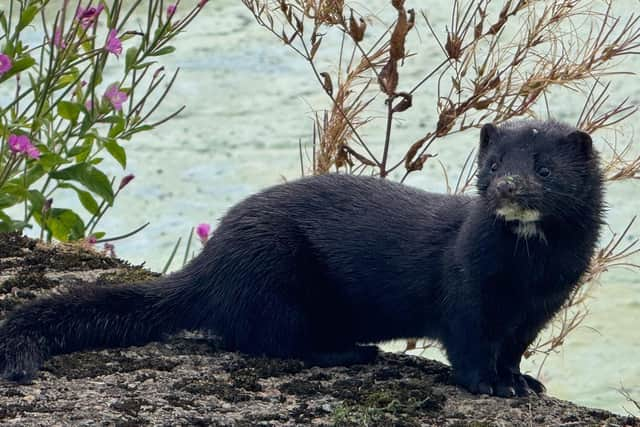
Mr Hagan also noticed a mink nosing around the shoreline recently.
It normally spends 90% of its time in the water but when I approached it hid among the rocks instead - because the water had a thick crust of algae on it.