
Catholic / Protestant quota-style system now in force in 28 new housing developments – with 31 more to come

Just over one-tenth of all new social housing in Northern Ireland is being designed specifically to mix Catholics and Protestants together.
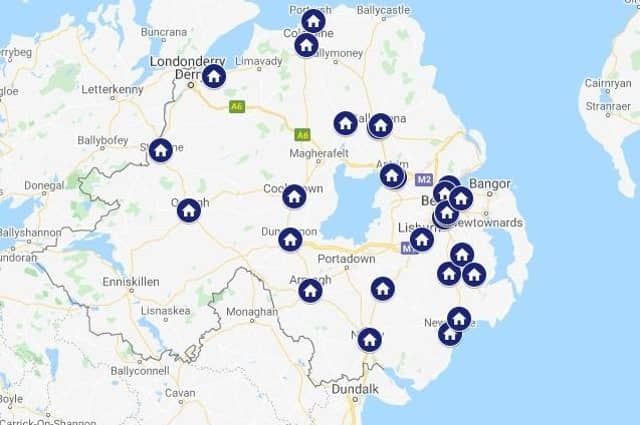
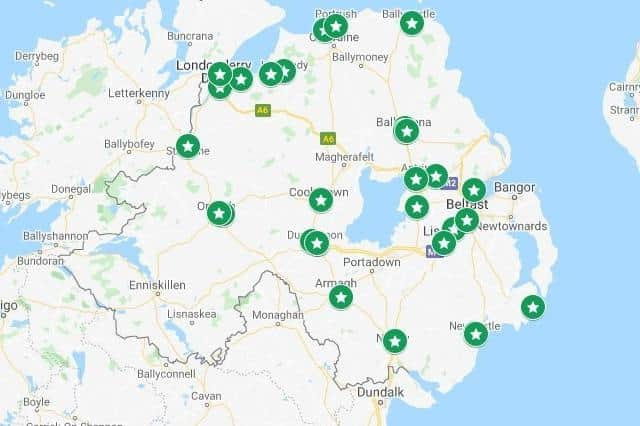
The News Letter can reveal that roughly £150 million has so far been allocated for 59 such mixed housing projects across the Province, of which 28 are completed.
By the time all 59 are finished, they will comprise 1,733 individual homes.
The government monitors the religious, national, and ethnic make-up of these new neighbourhoods, with the idea being to make sure “no one community is in the dominance of more than 70%” according to the Department for Communities (which is basically running the scheme).
For example, if a new 100-home estate was being built, it would have to have no more than 70 Protestant households in it.
Or to put it another way, at least 30% of households would have to be non-Protestant.
Naturally, it applies vice-versa for Catholics.
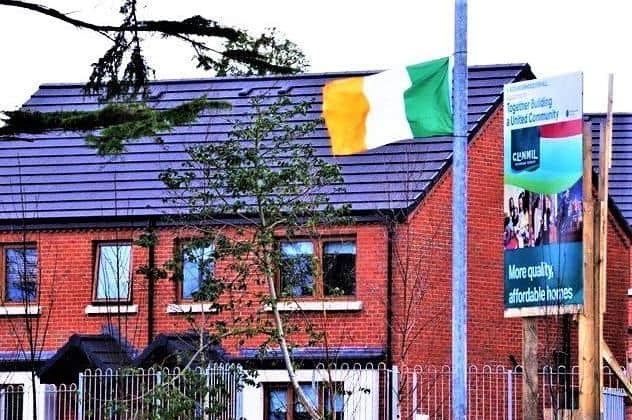
When it first started in 2008, the scheme came under the rubric of “Together: Building a United Community (T:BUC)”.
These days the scheme is called “Housing for All” (although confusingly, it is also often referred to as the “Shared Neighbourhood Programme” or the “Shared Housing Programme”).
A MAJOR PROJECT, ATTRACTING LITTLE NOTICE:
In short, it is the Stormont government’s effort at physically de-segregating housing in Northern Ireland – though for such a significant project, it has attracted relatively little attention.
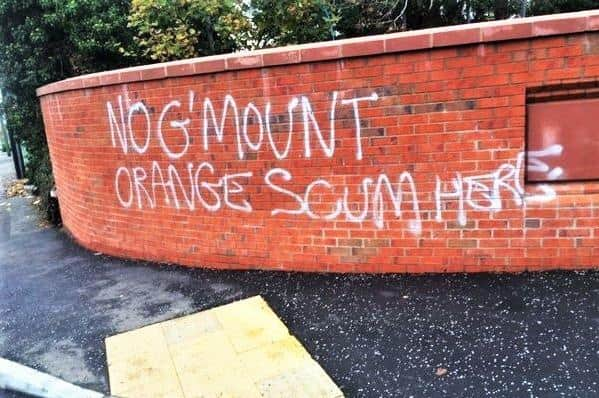
Ever since 2008, the number of cross-community housing developments has been quietly growing year on year.
Now the News Letter has taken a look at some of the hard numbers behind the project.
Each new housing estate is developed by non-profit bodies called housing associations, like Clanmil or Radius.
The government subsidises these via the Housing Association Grant (HAG), which normally pays for about 50% of the build costs of wach development, with the rest of the money being borrowed privately by the housing association.
A Good Relations Support grant is also available from Executive funds.
In all, the Department for Communities has told the News Letter that the government intends to construct 1,900 social homes of all kinds every year – of which 200 will be in shared schemes (roughly 11%).
The department has told the News Letter it “does not anticipate increasing this target”.
More from this reporter:
——— ———
A message from the Editor:
Thank you for reading this story on our website. While I have your attention, I also have an important request to make of you.
With the coronavirus lockdowns having had a major impact on many of our advertisers — and consequently the revenue we receive — we are more reliant than ever on you taking out a digital subscription.
Subscribe to newsletter.co.uk and enjoy unlimited access to the best Northern Ireland and UK news and information online and on our app. With a digital subscription, you can read more than 5 articles, see fewer ads, enjoy faster load times, and get access to exclusive newsletters and content.
Visit
https://www.newsletter.co.uk/subscriptionsnow to sign up.
Our journalism costs money and we rely on advertising, print and digital revenues to help to support them. By supporting us, we are able to support you in providing trusted, fact-checked content for this website.
Ben Lowry, Editor