
'Rules only matter to Sinn Fein when it suits their agenda': Unionists accuse nationalist party of overreach, after demand to give politicians final say on failed Irish sign bids
A push to let politicians override the public on failed Irish signs is another example of Sinn Fein overreach, unionists have said, after the recent row over a west Belfast statue of Bobby Sands built without planning permission.
The nationalist party has been accused of wanting “an ourselves alone approach” to council policies, allowing them to ignore poll results they don’t like.
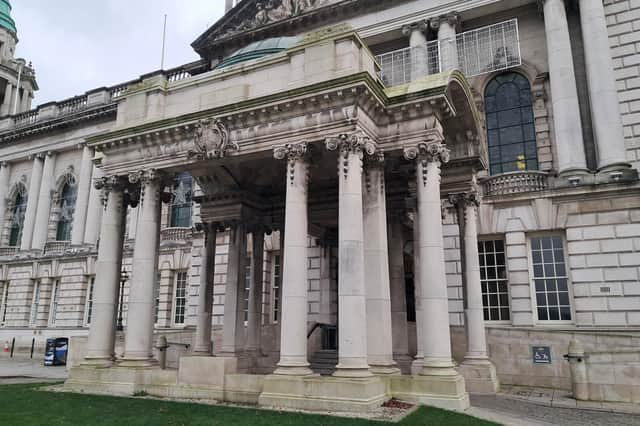

The criticism comes after Sinn Fein launched a move to give councillors the final say on applications for Irish language street signs that fail to win the support of a small number of residents.
Currently, at least 15% of householders in any given Belfast street have to back Irish signs to see them built, a threshold unionists think is far too low. If that quota isn’t met, the idea is automatically discarded.

During a city council meeting on Tuesday night, Sinn Fein argued any applications that fail to hit the threshold should instead come to politicians for a vote – effectively meaning the results of household surveys can be overriden.
Pointing to a judicial review of a previous dual-language sign policy from more than a decade ago, the party’s Belfast group leader Ciaran Beattie suggested it is “probably legally incorrect” that politicians aren’t given the opportunity to “use discretion” and potentially approve failed bids.
For the DUP’s council group leader, Sarah Bunting, that means the nationalists “simply want Irish language signs imposed wherever they believe they ought to go, regardless of whether local support exists or not”.
Describing the 15% policy as already “flawed and undemocratic”, she told the News Letter: “There’s little point even having a process if Sinn Fein’s answer to failed applications is that councillors should ignore the outcome and approve them anyway.
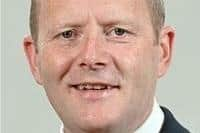
“When considered alongside Sinn Fein’s apparent willingness to sidestep established planning processes in relation to terrorist memorials, it again shows a mindset where rules, processes and thresholds only matter when they suit their agenda.
“Thresholds and consultation processes mean nothing if they are only respected when Sinn Fein agrees with the result.”
For TUV councillor Ron McDowell, the nationalist push to override polls of the public “exposes exactly what this policy has always been about – not respect, not inclusion, but cultural imposition”.
“The current policy already bends over backwards to facilitate applications for dual-language signs,” he said. “Yet even when proposals fail to secure the support of a tiny minority of just 15% of residents, Sinn Fein still wants politicians to step in and force them through regardless. That is not democracy.
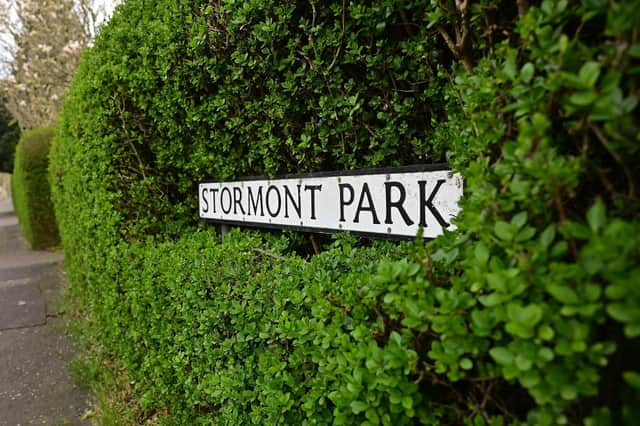
“If local people do not want an Irish sign erected outside their homes, then that decision should be respected. Sinn Fein is now openly saying the views of residents only matter when they produce the right answer.”
The council’s system hit the headlines in recent weeks when a survey showed two-thirds of an east Belfast street were opposed to Irish signs, while 15.66% were in favour. That 0.66% over the threshold saw Sinn Fein twice try to push signs through, despite the clear majority of residents opposed.
Due to a policy change for dual-language signage, more Irish signs have been approved in the last three years than in the 24 years of a previous, stricter system – and none have been built in any other language.