
'Serious procedural failings' by coroner in handling of legacy case - UUP
The Supreme Court ruling on the disclosure of sensitive intelligence material highlights “serious procedural failings” on behalf the coroner Louisa Fee, a UUP MLA has said.
Doug Beattie’s comments follow a ruling by the UK’s top judges which overturned previous rulings by the Belfast courts that the coroner was right to release summaries of secret security force documents as part of inquest findings.

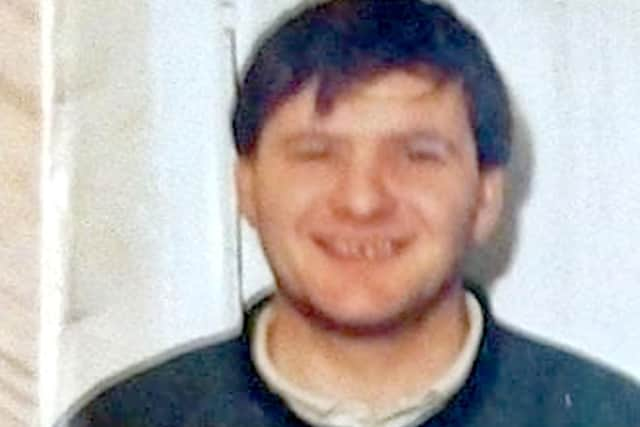
The family of Belfast man Liam Paul Thompson – murdered by loyalists in 1994 – have alleged security force collusion in his killing. The government had appealed the decision to release the information – and the Supreme Court ruled in its favour on Wednesday.
It also set out a series of criticisms of two decisions made by Louisa Fee to disclose “gists of evidence” – over which a Public Interest Immunity (PII) had been asserted by the NI Secretary of State, because he believed their disclosure would threaten national security.
Hilary Benn had particular concerns that to do so would be contrary to the government’s policy of neither confirming nor denying the use of informers or other secret sources.
The coroner upheld the PII in relation to some of the information, but decided that the “gist” of some of it should be admissible in court. The judgment said the coroner had made a number of errors in her decision to disclose the gists.
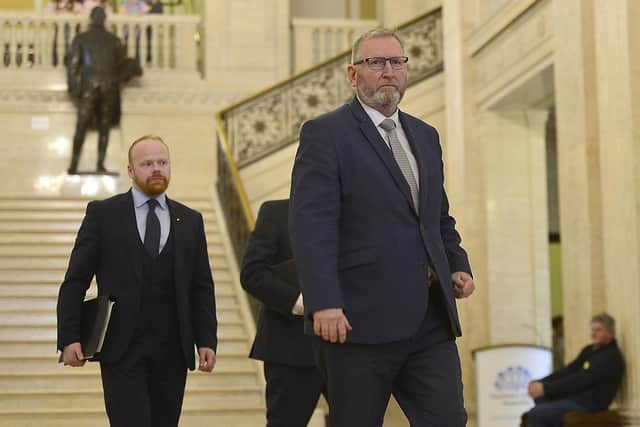
UUP justice spokesperson Doug Beattie said the judgement “highlights serious procedural failings”. He cited comments from Lord Stephens, who said the Coroner “failed to apply the correct test before departing from the assessment by the Secretary of State as to the nature and extent of damage to national security which would flow from disclosure.”
Lord Stephens also said the Coroner “wrongly failed to obtain the views of the Secretary of State before making any decision to disclose the gist of the information.”
Mr Beattie added: “The reality is that the court has the power to decide; where I can understand the decision, I cannot accept there isn’t another way to release as much information as possible to the family without undermining national security.”
No one has ever been held accountable for Mr Thompson’s murder.