
Sinn Fein proposals to change strike laws would put too much power in trade union hands - TUV
Proposals from Stormont’s economy minister to extend the period in which trade unions can hold a strike from four weeks to 12 months put too much power in the hands of trade unions, the TUV has warned.
The News Letter has seen an Executive paper on the ‘Good Jobs’ Bill, submitted to ministers by Sinn Fein’s Caoimhe Archibald in February.
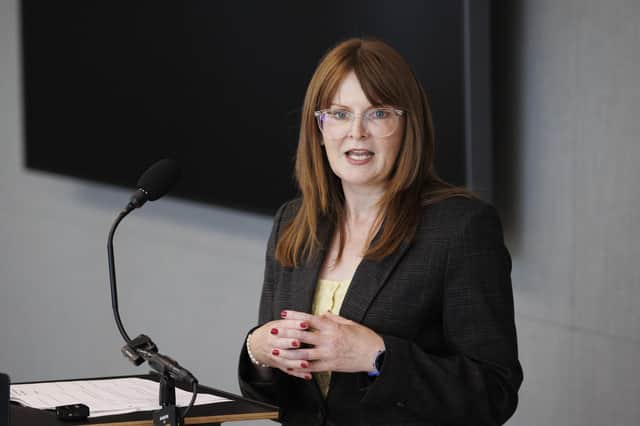

A number of the proposals relate to the relationship between trade unions and employers in the event of industrial action. As well as a huge increase in the period in which a strike could take place after being endorsed in a ballot, the amount of information unions need to provide employers would be cut back.
The DUP MLA Phillip Brett said the party will look closely at the Bill in its entirely when it is drafted – and take into account the views of the business community, employers and employees. However, he criticised the failure to “even have the Bill drafted” let alone brought to the Assembly.
“It’s clear to date the Minister has failed to secure the support of employers for her proposals to date and we will not support any proposals that undermines the economy”, he said.
TUV deputy leader Ron McDowell, himself a trade unionist, says “it puts too much power with trade unions”. The Belfast councillor said: “To ballot for a strike based on Rate of Inflation pay in Jan 2027 and use that ballot to strike in 2028 is unreasonable.
“Given that the difference in inflation may be anything up to 6% or more between those 2 points.
“Today being an example. We negotiate on a pay rise based on war in the Gulf influenced inflation and to then use that ballot to negotiate a pay deal 12 months later is not realistic.
“The anonymity of the Ballot I could support but only with trade union blinkers on.
“It would give the Union an unchallenged legitimacy in the event of a ballot for industrial action even if turn out may be particularly low. After all, isn't that what politicians use for legitimacy?”
The minister told Executive colleagues her proposals to change the initial period to 12 months was “to reduce the potential need to re-ballot members at regular intervals”.