
Stormont canteen charged customers in Euros - with one penalised for using card 'outside the UK' - MLA
Stormont’s canteen and vending machines have charged some customers in Euros, incurring transaction fees – with one man’s account suspended because he’d used his card “outside the UK”, an MLA has said.
TUV’s Timothy Gaston has raised the issue with Stormont officials, but believes the issue has arisen due to the outsourcing firm which runs the services potentially routing its transactions through the Republic.
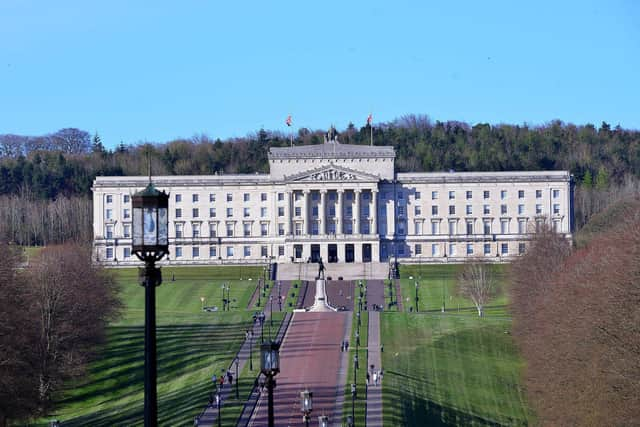

The North Antrim politician says it is “a totally unacceptable state of affairs” that people have been charged a non-sterling transaction fee in a devolved Assembly of the United Kingdom.
“I have submitted a number of questions to the Assembly Commission after an instance of someone being charged a non-sterling transaction fee after they bought a coffee in Stormont. In an other instance a gentleman lost the ability to use Apple Pay for a week after a transaction in the Stormont canteen was flagged as suspicious because it appeared it had been used outside the UK.
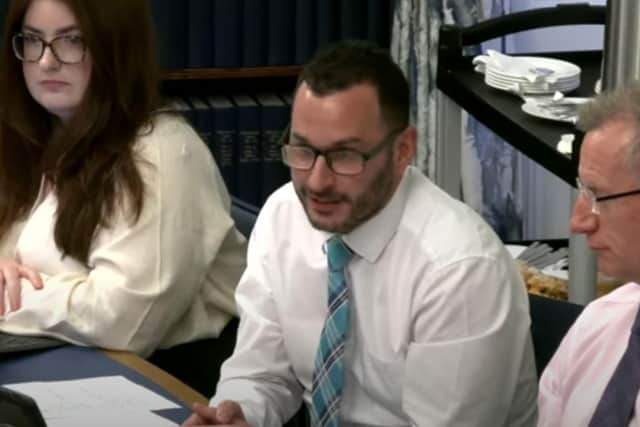
“I believe the issue may be related to the fact that the US company which owns the catering contract in Parliament Buildings - Aramark - may route all transactions to it through its operations in the Irish Republic.
“Regardless of the reason, it is a totally unacceptable state of affairs that someone should be charged a non-sterling transaction fee for a purchase made in a devolved Assembly of the United Kingdom or lose the use of their preferred payment method for a week because they were flagged as being outside the UK when paying for lunch in Stormont.
“The Assembly Commission now needs to establish exactly how this situation has arisen and why it has been allowed to occur within the home of Northern Ireland’s legislature. Stormont is part of the UK and transactions taking place within this building should be processed accordingly.
“It is unacceptable that people working in or visiting Parliament Buildings should face foreign transaction fees or payment restrictions”, he said.
An Assembly spokesperson said the matter has been brought to the Commission’s attention, and it “will respect the normal parliamentary courtesies and will investigate the matter”.