
Veteran tells how life was destroyed by IRA bomb and why he is campaigning for a new medal
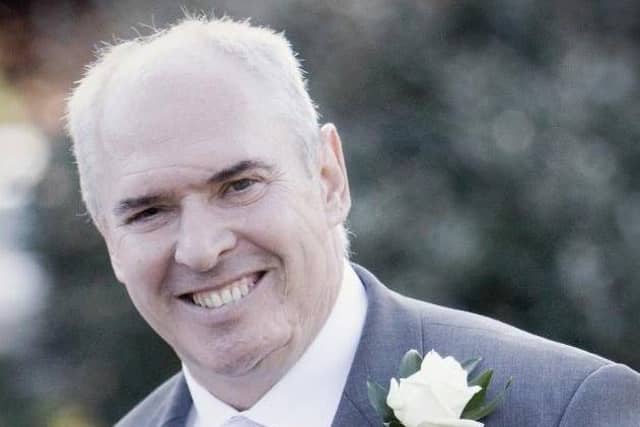

The Ministry of Defence is considering creating a new medal which could be awarded to many veterans injured by Northern Ireland terrorism.
The move has come about as a result of campaigning by Army veteran John Radley from Birkenhead.
He was a 21-year-old lance corporal in the Irish Guards when an IRA nail bomb targeted the Army bus he was on outside Chelsea Barracks in 1981.
An 18-year-old youth and a woman were killed and 23 soldiers injured – all of whom could be eligible for the new medal he is proposing.
“I lost my career and my way of life and I live with constant searing pain,” Mr Radley told the News Letter.
One six-inch nail passed through his neck down into his back. Another struck him in the forehead.
He lost the sight in one eye and the hearing in one ear and has serious injuries in one hand. He also suffers from PTSD.
John was finally discharged from the Army aged 28. Since then he has lived on an Army pension and disability benefits.
Now aged 66, he attends Remembrance Day services every year in his regimental uniform.
“But it does stick in my throat that despite the high price I paid for my service, I don't have a single medal that I am entitled to wear.”
His campaign, Operation Steadfast Shield, seeks recognition for personnel killed or injured in terrorist attacks outside operational deployments.
Veterans who would likely most benefit from his proposal would include those targeted in IRA bomb attacks in England including Hyde Park, Regent's Park, Deal Barracks and the M62 coach bombing.
His campaign is being supported by his MP Joshua Reynolds, the member for Maidenhead, and TUV MP Jim Allister, while Secretary of State Hilary Benn has also been supportive.
Asked about his campaign, the MoD confirmed that it is considering a new medal.
A spokesman said: “We owe a huge debt of gratitude to all those who serve this country with bravery and dedication and are fully committed to ensuring they are properly supported and are acknowledged, including through the award of medals where they are justified.”
He added that they are “actively considering a defined injury medal in acknowledgement of service personnel injured during their military careers”.
Mr Radley said the MoD's proposal seems much broader – potentially awarded on a case by case basis – but he welcomed it as “a small victory”.
Kenny Donaldson, director of victims’ group SEFF, said he is strongly backing Mr Radley's campaign.
“We are very aware of the impact both physical and psychological that the Provisional IRA’s attack had upon his life,” he said.
“Terrorists were not concerned whether someone was on operational deployment or not. The history of the Troubles confirms that the preferred modus operandi of terrorists was to strike when members of the security forces were at their most vulnerable – including people like John.
“However it is the injustice John feels at not being recognised by his own state which is possibly the most piercing of all injuries – and he is not on his own in this regard.
“We stand with him in this legitimate call for recognition and equitable treatment.”