
Victims commissioner urges ministers to avoid further delay to Troubles Bill
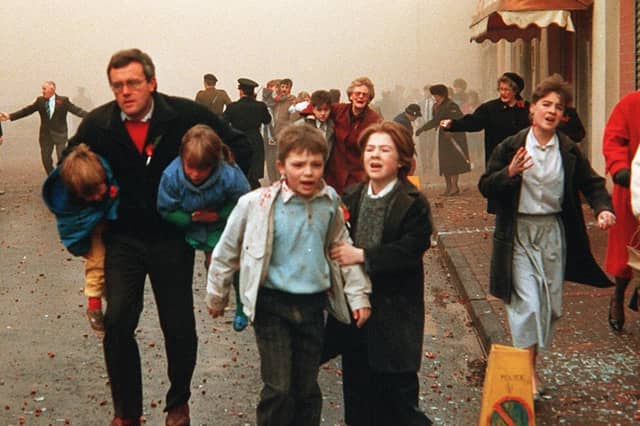

The victims commissioner has warned against further delays to the Troubles Bill, saying some families have already waited more than 50 years for truth and justice.
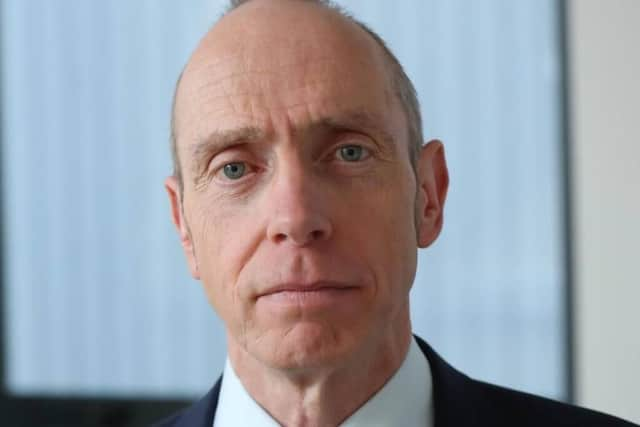
Commissioner for Victims and Survivors Joe McVey said the people he represents “cannot afford to wait any longer”.
The proposed legislation, which will replace the previous government’s Legacy Act, is currently being considered by the House of Lords.
However the Daily Telegraph reported on Friday that ministers could face pressure to delay the Bill for months while consulting people in Northern Ireland.
Conservative peers have tabled an amendment calling on Labour to fulfil its manifesto pledge to seek support for the bill from all communities. If passed next week, it could require a formal consultation before the Bill progresses.
Mr McVey said he was “profoundly disappointed” at the prospect of further delays.
“For some victims and survivors, the wait for truth, justice and acknowledgement has lasted over 50 years,” he said.
“Almost three decades on from the Belfast/Good Friday Agreement, and more than 10 years since the Stormont House agreement many are still waiting for answers, whilst others have sadly passed away without ever receiving them.”
He said meaningful consultation and parliamentary scrutiny were important, but questioned what further consultation would achieve after the work already undertaken.
“The Northern Ireland Troubles Bill, whilst far from perfect, represents an attempt to address the significant shortcomings of the 2023 Legacy Act,” he said.
He added that the Bill needs further strengthening to meet the needs of all victims.
A Government spokesperson said the previous administration’s Legacy Act would have given immunity to the IRA had it not been rejected by the courts.
The spokesperson said Labour had engaged extensively with victims’ groups, campaigners, veterans’ organisations and politicians, with more than 40 meetings held in recent months.
“The Troubles Bill is needed to deal with the unfinished business of the Good Friday Agreement, and we remain confident it delivers for veterans and for families,” they added.
Ulster Unionist Party chairman Lord Elliott of Ballinamallard said Labour had promised to seek consensus but had not secured support from all communities.
UUP chairman Lord Elliott of Ballinamallard said Labour had promised to achieve consensus on the Troubles Bill but had failed to secure support from all communities in Northern Ireland.
He argued that, given more than 90% of Troubles killings were carried out by terrorist groups, the legislation risked failing to focus sufficiently on terrorist campaigns. He called for an overarching public inquiry into the “directing of terrorism” and raised concerns about whether the Irish Government would provide information relating to cross-border murders.
Kenny Donaldson, chief executive of SEFF, said is "absolutely incredible” that the largest constituency of victims/survivors – those impacted by terrorism - have had very limited justice, truth and accountability.
The Irish State presents itself as “a neutral observer” during the Troubles, but it must acknowledge its role as a participant and submit to full transparency, he added.
Sinn Fein, SDLP and Relatives for Justice were also invited to comment.