
World Cup green light to Belfast bid 'momentous day' for women's football in Northern Ireland

Northern Ireland’s green light to co-host the Women’s World Cup in 2035 has been celebrated by Irish FA director of women’s football Angela Platt as “a momentous day and a milestone moment”.
The United Kingdom’s four-nation proposal was officially confirmed on Monday following an Extraordinary FIFA Congress vote by acclamation as the sole valid bid in contention for the tournament.
A first World Cup finals staged in the UK since the men’s event in 1966 will include Belfast’s National Stadium at Windsor Park on the list of 19 proposed venues alongside grounds in England, Scotland and Wales for the 48-team tournament.
Projected figures by the bid team include 3.5 billion viewers worldwide and 4.5 million ticket sales.
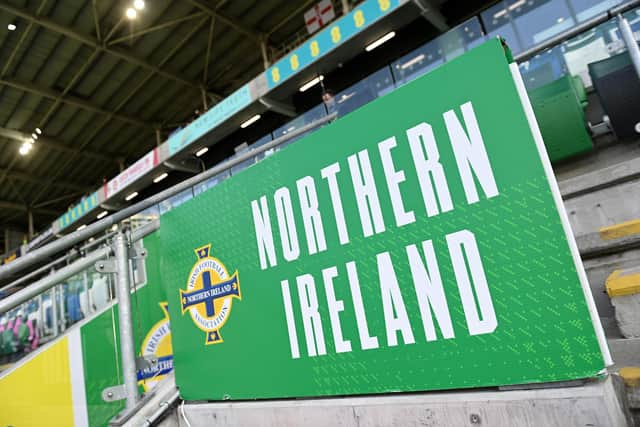

A funding commitment is in place to boost Windsor Park’s capacity by 5,000 seats from the current figure of 18,500 alongside other improvements for the 2035 global showpiece criteria.
"It is a momentous day and a milestone moment,” said Platt. “To join England, Scotland and Wales as part of a successful bid to host the FIFA Women's World Cup in 2035 is incredibly exciting.
"It will galvanise us as a footballing nation and allow women and girls across the country to dream bigger than ever before."
Northern Ireland senior women’s manager Michael McArdle views the successful bid as “hugely inspiring”.
"Hosting the FIFA Women's World Cup would be hugely inspiring for our game, from grassroots football, clubs and competitions through to our international teams,” he said. "It would create excitement and ambition for our current players and staff, while motivating the next generation of players, coaches and leaders, leaving a lasting legacy for women's and girls' football in Northern Ireland."
Irish Football Association officials have highlighted the bid as built on the vision of “a rallying cry to unite people through football, empower women and girls around the world, and change what the game looks like long after 2035”, adding “that ambition extends beyond football...the tournament will carry a decade of growth into the next generation, provide the largest platform that women’s sport in the UK has ever had, and advance gender equality in sport and society more widely”.